
Behind every bag of peat compost sold in garden centres lies a hidden and devastating ecological cost: the destruction of an ancient and irreplaceable habitat, the release of thousands of tonnes of carbon into our atmosphere, and the creation of a barren, dry landscape unable to protect communities from extreme weather events.
In August 2022, the previous government made a commitment to ban the sale of peat for use in horticulture by 2024 and the phasing out in professional horticulture by 2030, with cross-party support.
Last year, in the new Environmental Improvement Plan (EIP), the current UK Government recommitted to this promise. However, despite these years of promises, we are still waiting for a legal ban on the use of peat in horticulture.
The delay to a ban on using peat in horticulture is harming the environment
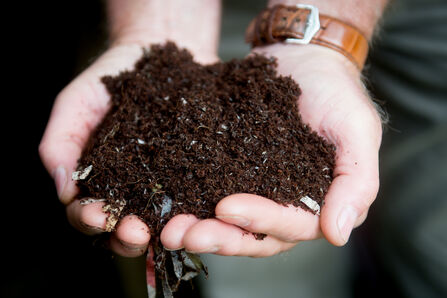
According to the government’s own figures, UK horticulture is getting through 760,000 m³ of peat every year - enough to fill over 300 Olympic-sized swimming pools.
Peatlands are the UK’s very own Amazon rainforest when it comes to carbon storage. The ecosystem stores 3.2 billion tonnes of carbon, which makes their protection and restoration essential in the fight against climate change.
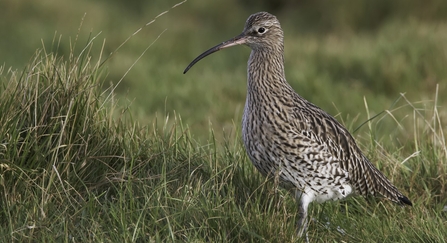
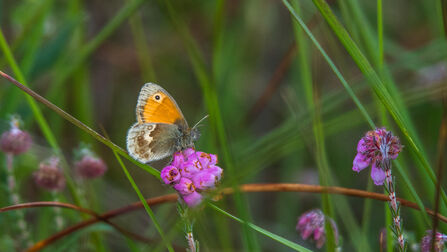
Beyond their climate benefits, healthy peatlands store and slow water flows, reducing flood risk and creating a rich mosaic of habitat that helps prevent the spread of wildfires. Healthy peat bogs also provide a home to much-loved and iconic wildlife such as curlews and the large heath butterfly.