

Cathy Lewis
Bringing wildlife back at sea
Decades of over-exploitation have left our seas damaged and degraded. But it's not too late to save them.
The issues facing our seas
Around half the UK's wildlife lives in the sea - from microscopic plankton to mighty whales. Yet we're seeing plastic-strewn beaches, fisheries on the verge of collapse, unsustainable infrastructure development and the ever-growing effects of global climate change.
The sea provides us with so many things - from the fish we eat, to regulating our climate to the air we that we breathe - but we are jeopardising all of this by altering the balance of our seas.
There are not enough protected wild places at sea. Although some fish stocks have begun to recover after the reform of the Common Fisheries Policy, there are still significant discard issues in the fishing industry. We need to see better planning from fishing, oil rings, wind farms and gravel extraction from the seabed, which harm fragile habitats and wildlife. Pollution from sewage, farming chemicals, plastic litter and abandoned fishing nets, along with noise pollution from new developments at sea are killing wildlife.
But it's not too late.
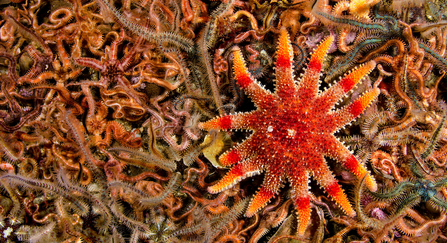
Cathy Lewis
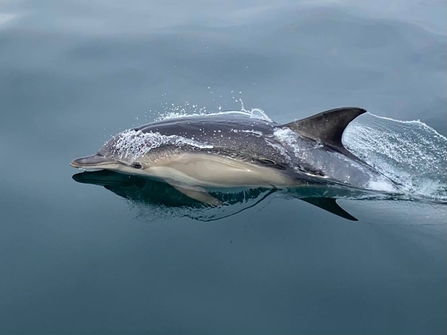
Common dolphin © Joan Edwards
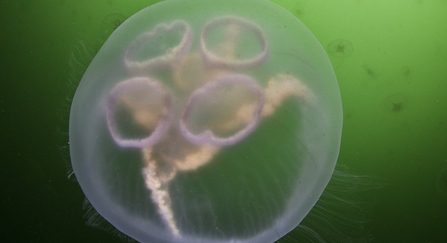
Moon jellyfish by Alexander Mustard/2020VISION
What we need to do to protect our seas
Our seas have many challenges facing them. To solve these problems we need people to understand them and to accept the need for change.
We want to see:
- Properly managed Marine Protected Areas (MPAs), with no destructive fishing and damaging activities allowed within the whole site.
- Protection for areas of ocean with a high potential to store/capture carbon.
- A Marine Spatial Plan that balances competing demands at sea in a strategic, scientific, and sustainable manner.
- The health of our seas by achieving Good Environmental Status. Achieving this status means we're using the sea and its resources in a way that is sustainable, so they remain healthy and available for future generations.
We explore many of these areas in our reports on the health of our seas. Read them below.


