Protecting the UK’s Amazon rainforest: Why a horticultural peat ban matters

Protecting the UK’s Amazon rainforest: Why a horticultural peat ban matters

Joe Keegan, Public Affairs Officer, takes a look at the impact of horticulture on peat habitats in the UK.

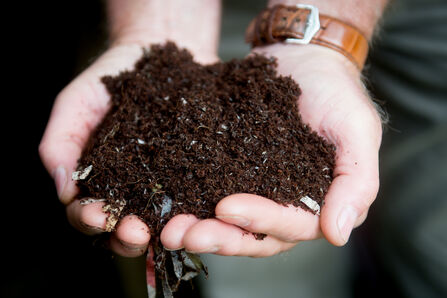
Behind every bag of peat compost sold in garden centres lies a hidden and devastating ecological cost: the destruction of an ancient and irreplaceable habitat, the release of thousands of tonnes of carbon into our atmosphere, and the creation of a barren, dry landscape unable to protect communities from extreme weather events.

In August 2022, the previous government made a commitment to ban the sale of peat for use in horticulture by 2024 and the phasing out in professional horticulture by 2030, with cross-party support. 

Last year, in the new Environmental Improvement Plan (EIP), the current UK Government recommitted to this promise. However, despite these years of promises, we are still waiting for a legal ban on the use of peat in horticulture. 


The delay to a ban on using peat in horticulture is harming the environment

According to the government’s own figures, UK horticulture is getting through 760,000 m³ of peat every year - enough to fill over 300 Olympic-sized swimming pools. 

Peatlands are the UK’s very own Amazon rainforest when it comes to carbon storage. The ecosystem stores 3.2 billion tonnes of carbon, which makes their protection and restoration essential in the fight against climate change.  

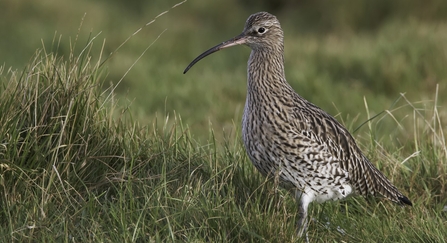
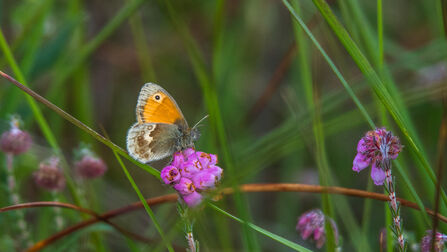
Beyond their climate benefits, healthy peatlands store and slow water flows, reducing flood risk and creating a rich mosaic of habitat that helps prevent the spread of wildfires. Healthy peat bogs also provide a home to much-loved and iconic wildlife such as curlews and the large heath butterfly.
All these incredible peatland benefits are lost when peat is extracted for horticulture. Extraction releases vast amounts of carbon, with 880,000 tonnes of CO₂ released from horticulture peat extraction in 2020 alone. This extraction also damages peatland habitats and weakens the natural defences peatlands provide against extreme weather events like flooding and wildfires.


Progress on alternatives to peat compost is stalling

In recent years, forward-thinking horticultural businesses have embraced alternatives that do not damage this precious natural resource, resulting in a reduction of peat usage from the sector by over 50%. 

However, progress is stalling, with peat use in retail (bagged) compost only reduced by 1% in 2022 and 2023. A mandatory ban, as outlined in the EIP, is needed to complete the transition to peat-free horticultural products.


A ban would support businesses investing in peat-free practices

The government’s delay in legislating for a peat ban is undoing progress in sustainable horticulture and undercutting businesses that have invested in peat-free practices, as set out in an open letter to the government from major horticulture businesses and the Peat-Free Partnership.

By clearly committing to a just phase-out of horticultural peat both at home and by banning peat imports, the UK can reduce reliance on imported peat compost and support the growth of its domestic peat-free industry. The inclusion of imports within such a ban will be crucial, given that more than 60% of the peat sold in 2021 was imported. The upcoming horticultural sector plan offers a chance to bring certainty to the sector while supporting forward-thinking businesses already leading the shift to peat-free growing.


The public are in favour of a ban

The latest polling suggests widespread support for a ban, with 95% of respondents favouring a ban on retail peat by the end of the last parliament. Moreover, there is cross-party support for the ban: the Liberal Democrats, Conservatives, Labour and Greens have all called for a ban.

We have already seen some welcome ambition from the government with the banning of burning on deep peat, yet the ban on horticultural peat remains unfinished business, despite being supported by businesses, the main political parties, the public, and eNGOs alike.

Peatlands take up to ten millennia to form and can be destroyed in a season. 

Protecting peat is one of the simplest and most effective climate and nature actions the UK can take. 

Given that this government was elected on a mandate to achieve net zero by 2050, implementing this ban will help ensure peatlands can play a key role in that mission.


The Wildlife Trusts are working with MPs in Parliament to urge the Government to act

On 11th February, we are hosting a parliamentary roundtable with Sarah Dyke, MP for Glastonbury and Somerton, who has tabled her own Private Members Bill for a ban, to discuss next steps. 

You can help us raise this demand.  We are encouraging supporters to sign the Peat-Free Partnership petition, calling on the Government to put a ban on horticultural peat into law without further delay.

The delay in delivering on the promised peat ban is hurting nature, climate and business. It’s high time for action. 


Read more about peat use in horticulture