
The celebration includes the discovery in Kent of a population of Tiree twist moths, otherwise thought to be extinct in England, and a rare fungus – the willow blister - recorded for only the second time in England since 1876, in Rutland. In Yorkshire, naturalists celebrated the first naturally seeded lady’s slipper orchid. This gorgeous flower had dropped to just a single plant, but decades of intensive work to recover the species is paying off and there are now 1500 plants thriving in the Yorkshire Dales.
The Wildlife Trusts are hailing 2025 as a ‘bumper year’ for new arrivals and discoveries across their nature reserves, following multiple reports of species making a comeback despite their rarity nationwide.
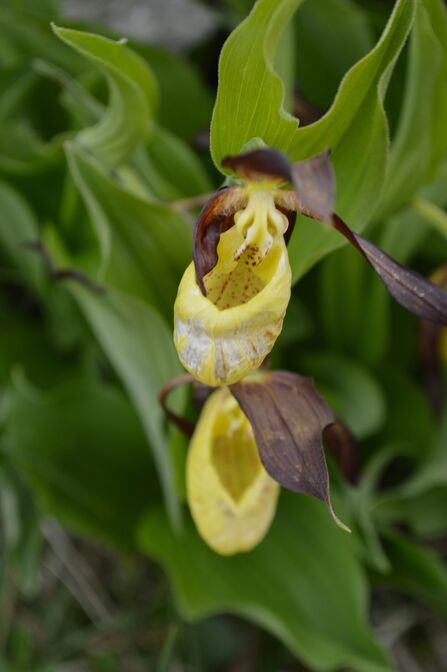
Lady's slipper orchid © Graham Standring

Willow blister fungus © Leicestershire and Rutland Wildlife Trust
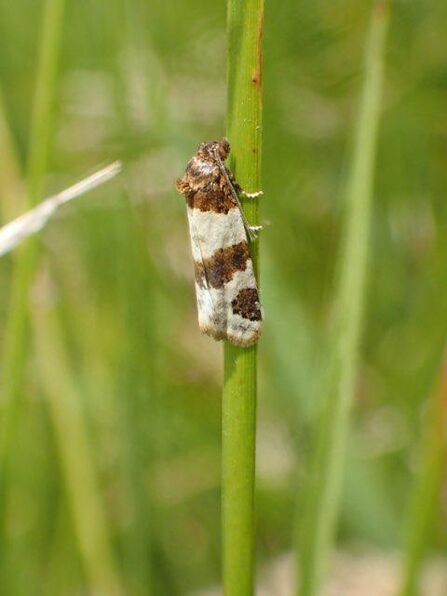
Tiree twist moth © Kent Wildlife Trust
Across their 2,600 nature reserves, The Wildlife Trusts share that there are plenty of reasons to be cheerful. Nature is bouncing back across the nation, with highlights this year including:
Soaring seabirds
- While a much-loved species across the nation, there was delight on the Isle of Muck nature reserve this summer as puffins nested for the first time in Ulster Wildlife’s 25-year history of managing this seabird sanctuary. Their arrival is thanks to decades of dedicated conservation efforts.
- Meanwhile, a spectacular Caspian tern was seen at Rye Harbour nature reserve in East Sussex in June. The world’s largest tern, these birds are a very scarce visitor to the UK. A number of other, more common tern species regularly call Rye Harbour home thanks to work to protect their nesting sites.

Puffin on Isle of Muck © Ronald Surgenor
On the wing
- One of the UK’s rarest butterflies – the wood white - appears to be recolonising Wales, following sightings of the pretty cream-coloured butterfly at Montgomeryshire Wildlife Trust’s Roundton Hill reserve this summer, amongst three other Welsh sites. An endangered species, its distribution in the UK has declined by 76% between 1992 and 2019.
- The spookily named death's head hawk-moth caterpillar, made famous by The Silence of the Lambs, is the largest recorded moth in the UK. A rare visitor usually found in Southern Europe, the striking green and yellow caterpillar was recorded at Sussex Wildlife Trust’s Woods Mill nature reserve this year.
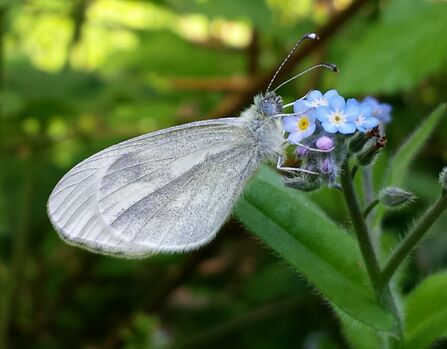
Wood white butterfly © Herefordshire Wildlife Trust
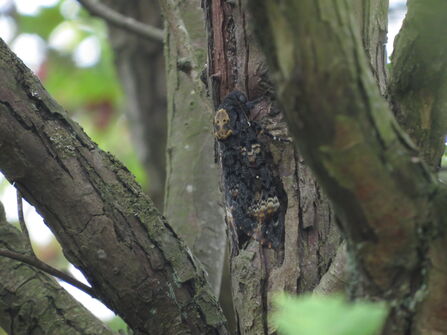
Death's-head hawk-moth © Lauren Hibbert
Blooming botany
- At one of the world’s smallest sites of special scientific interest (SSSIs), Hampshire and Isle of Wight Wildlife Trust celebrated a brilliant year for one of the UK’s rarest plants, field cow-wheat. A field of around 10,000 plants were recorded this summer, representing one of few surviving native sites for the striking, pink-flowered species following targeted management of the site
- Elsewhere, two rare and declining plants, petty whin and frog orchids, were discovered on the Rothbury Estate, a huge area of land in Northumberland which The Wildlife Trusts are fundraising to purchase in its entirety. Frog orchids were last recorded on the estate back in 1909 by David Dippie Dixon in his book on Upper Coquetdale. Working hand in hand with the local community and farmers, The Wildlife Trusts are starting to restore habitats on the estate; good for frog orchids and many other species such as red squirrels and wood warblers.
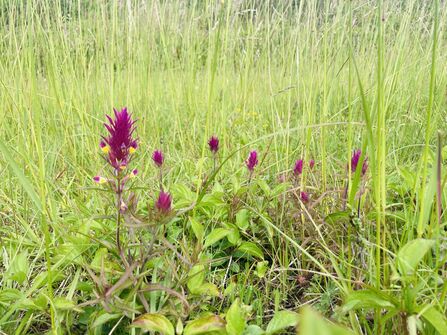
Field cow-wheat © Dominic Price
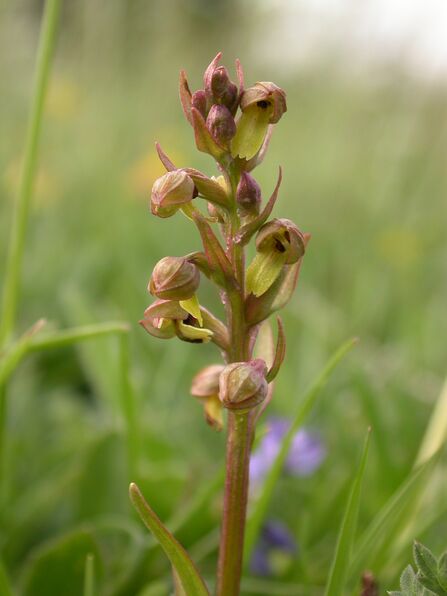
Frog orchid © Philip Precey
Interesting invertebrates
- North Wales Wildlife Trust were surprised to discover the Limnephilus pati, a species of caddisfly, on Anglesey this autumn, making the island one of just three known locations for the species in the UK after it was previously thought to be extinct. Found at Cors Goch nature reserve, the wetland ecosystem here is one of the most diverse in Britain.
- Digging around in cow pats might not sound like glamourous work, but Kent Wildlife Trust’s area manager was rewarded with the sight of a rare maid of Kent beetle at the Oare Marshes while doing just that. This rare beetle is only found on a handful of sites in the UK, all within the North Kent marshes.

Maid of Kent beetle © Kent Wildlife Trust
Dr Rob Stoneman, director of landscape recovery at The Wildlife Trusts says:
“It’s brilliant to be rounding off the year with such a celebration of all the varied and wonderful wildlife found across our nature reserves. From tiny St Lawrence field nature reserve on the Isle of Wight to the huge heart-shaped Rothbury estate, we’re busy proving that no matter how big or small, nature can and will bounce back when given the chance.
“The many nature highlights from this year are testament to the efforts of our staff and volunteers working hard to restore habitats, reintroduce lost species and boost nature’s recovery across the UK. However, if we are to meet our international commitments to recover 30% of nature on land and at sea by 2030, we must restore, protect and connect many more spaces in which wildlife can thrive.
“From orchids and butterflies to pine martens and beavers, our natural world gives me plenty of cause for hope. When we come together to act for nature we can achieve great things for wildlife, people and for future generations.”
Editor's notes
- 13 Tiree twist moths were discovered at Kent Wildlife Trust’s Lydden Temple Ewell Reserve near Dover after a 73-year absence. Believed to survive only on the remote Scottish island of Tiree, its rediscovery stunned the UK conservation community. The team recorded 13 individual moths, revealing a previously unknown population and sparking hope for the species in England. Conservation plans are now being created to ensure this remarkable find marks the beginning of a comeback. Lydden Temple Ewell is a National Nature Reserve and features sweeping downland landscape and precious chalk grassland habitat, supporting a wide range of species from the Adonis Blue butterfly to the Wart-biter cricket, and now, the Tiree Twist.
- The willow blister fungus is the only native British Species to be listed in the 'World's 100 Most Threatened Species’ list. Found on a coppiced willow in an area of woodland at Rutland Water reserve, this was only the second recording in England since 1876 of the spotty fungus, which was previously known from just a handful of sites in Pembrokeshire, Wales.
- Over-collecting and habitat loss meant the lady’s-slipper orchid was believed to be extinct in the UK by the early part of the 20th Century. When a single plant was then discovered in a remote location in the Yorkshire Dales in 1930, its location was kept a closely-guarded secret with decades of dedicated volunteers providing round-the-clock monitoring to prevent the plant being dug up and stolen. Following a grant to extend efforts to protect the habitat of the remaining wild plant, Yorkshire Wildlife Trust has been hard at work rearing lots of new orchids and planting out many of these hand-reared orchids into former haunts. The discovery of this first naturally-seeded plant was therefore much celebrated.
- The comeback of puffins to the Isle of Muck is the result of an ambitious seabird recovery project, launched by the local nature conservation charity in 2017, to remove invasive brown rats from the tiny island – the biggest threat to seabird eggs and chicks. A programme of winter grazing has also been implemented to keep vegetation low to reduce cover for the rats, benefitting not only puffins but also eider ducks, guillemots, herring gulls and lesser-backed gulls. This video shows the moment two puffins emerged from a nesting burrow on the grassy cliff ledges this summer – a positive sign that the birds are breeding.
- The geological and industrial landscapes Roundton Hill, an Iron Age hillfort, have created a variety of habitats where specialist plants, mosses and lichens thrive, in turn benefitting special butterflies like wood whites.
- The British climate is not yet warm enough for the death's head hawk-moth caterpillars to survive here, meaning most are generally unable to survive winter in the UK and unlikely to survive to adulthood. Nonetheless, autumn can bring sightings of this migrant species
- The field cow-wheat population count, carried out as part of an annual survey, shows the population is responding well to targeted habitat management of the site. This includes rotational cutting and careful control of scrub to maintain the open, species-rich grassland the plant depends on.
- Rediscovered in Welsh and Scottish wetlands, Limnephilus pati requires clean, calcium-rich water to survive. This specific need makes its survival in places like Cors Goch Nature Reserve crucial for monitoring healthy habitats. Situated in a shallow valley and fed by lime-rich water, the complex geology and wealth of habitats make Cors Goch one of Wales’s most diverse, colourful nature reserves: part of an internationally significant network of fens in Anglesey. Cors Goch’s wetlands are also home to many rare plants, including insectivorous species, and a collection of orchids.
- The maid of Kent beetle is a specialist predator of invertebrates that live in cow pats. Its discovery highlights the importance of the reserve’s conservation grazing program and careful husbandry of the animals to ensure dung invertebrates (and those that feed on them) can thrive.