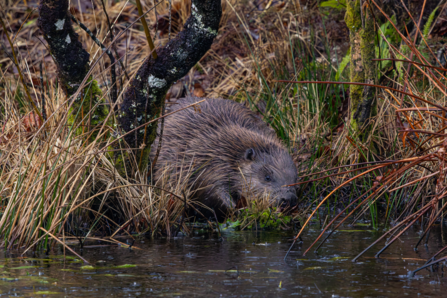
First beaver reintroductions in Cornwall set precedent for wild releases in England

First beaver reintroductions in Cornwall set precedent for wild releases in England

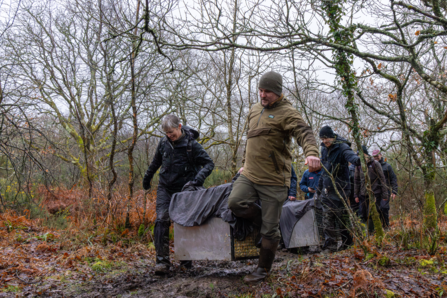
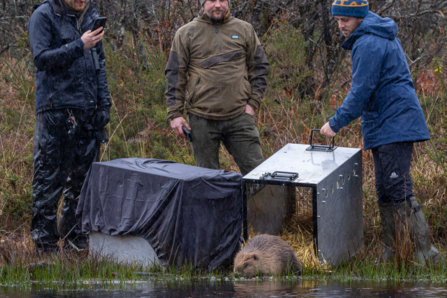
One of the first wild beaver releases in England to go through the formal application process took place in Cornwall yesterday. It is a historic moment which paves the way for future wild beaver releases in other counties.

Two pairs of beavers were released by Cornwall Wildlife Trust into the Par and Fowey river catchments. It is a major step forward for the species following many years of The Wildlife Trusts and others calling for their return – beavers are a keystone species which provide many benefits to society.

If other applications go to plan, Wildlife Trusts hope to be able to release around 100 beavers into seven rivers this year. Larger groups of beavers will be released to create healthy, genetically diverse populations within river catchments.
Once widespread across Britain, beavers were hunted to extinction 400 years ago. Today, they are increasingly recognised as one of nature’s most important keystone species, animals whose presence shapes entire ecosystems. Their return comes at a vital time, with one in six species now at risk of being lost from Great Britain*.  

Through their natural behaviour, beavers create wetlands and play a vital role in restoring healthy river systems. Their activity slows the flow of water, helping to reduce flooding during periods of heavy rain, while also storing water in the landscape during drier months and increasing drought resilience. These wetlands filter pollutants and sediments, improving water quality, and support a greater diversity of wildlife, strengthening the overall resilience of the landscape to climate change. 

The approval of this licence and the successful release mark a significant milestone for Cornwall Wildlife Trust, which has spent more than a decade working towards the return of beavers to Cornish rivers. The wild beaver releases have been made possible thanks to the support of Cornish business St Eval, generous donors and members, and those who have contributed to the Trust’s Wild Beaver Appeal

Lauren Jasper, Beaver Officer at Cornwall Wildlife Trust, said: 

“We are delighted to have released beavers back into the Cornish landscape. Today is a huge win for nature!  We have worked closely with Natural England over the past year and are thrilled with their conclusion that the natural habitat is suitable for beavers and the project team are ready to lead on this beaver reintroduction project. 

“We're celebrating today, but the real work starts now as we get ready to monitor the activity of the beaver pairs and support landowners and farmers whilst we all learn to live alongside beavers once again.” 

Cheryl Marriott, Director of Nature and People at Cornwall Wildlife Trust, said:  

“Evidence of the positive impact that beavers have is stacking up. Cleaner water, protection from drought and flooding and more abundant wildlife - there is a lot to like about these animals. No doubt there will be some challenges as we get used to having them back, but they will provide a lifeline for some of our most threatened species if we give them the chance.” 

Matt Walpole, Chief Executive Officer, Cornwall Wildlife Trust, said: 

“Today’s release is a landmark for conservation in Cornwall and a testament to over a decade of dedication from our team, supporters and partners. Beavers don’t just belong here — they have the potential to transform how our catchments function and how we work with nature to tackle some of the biggest environmental challenges of our time. We’re grateful to every organisation and individual who has helped make this possible.” 

Dr Rob Stoneman, director of landscape recovery at The Wildlife Trusts, said: 

“This is a historic moment: this wild beaver release has gone through the formal application process and, in doing so, it paves the way for more to follow. It signals a major step forward following many years of The Wildlife Trusts and others making the case for the return of this wonderful, keystone species that can do so much to benefit society. If other applications go to plan, Wildlife Trusts hope to be able to release around 100 beavers into seven rivers this year.” 

Dr Roisin Campbell, Head of Restoration at Beaver Trust, said: 

“Carefully planned reintroductions like this help move beavers from isolated pockets towards healthy, connected populations that can play their role in restoring resilient landscapes. This release builds on years of collaboration between Beaver Trust and Cornwall Wildlife Trust, with coexistence, local engagement and long-term management central to the approach. We hope this marks the beginning of restoring the species at the scale needed in the wild to halt species decline, increase wildlife, and ultimately tackle the biodiversity crisis, in line with the government’s legally binding commitments.” 

Chief Executive of Natural England Marian Spain said: 

“We are delighted to have approved the first licenced wild beaver release by Cornwall Wildlife Trust, the latest in a growing network of responsible, well-planned reintroductions across the region with the potential to make a huge difference to nature recovery. The successful return of beavers depends on well-planned, collaborative projects built on engagement and trust, and we are committed to getting it right for both nature and communities.” 

Tim de Winton, Environment Agency Cornwall Area Environment Manager, said: 

“We are pleased to have played a part in shaping the licence that Natural England have issued to Cornwall Wildlife Trust for the release of beavers into the Par and Fowey catchments. Beavers are native to the UK and, with appropriate management in place, can provide a range of benefits that support our operations and objectives for biodiversity, flood management and water quality. 

“We will continue to work with Cornwall Wildlife Trust and Natural England to maximise the benefits and mitigate the challenges of beaver reintroduction to these catchments. We expect this carefully managed project to bring welcome benefits for people and the environment.” 

Why this matters: 

There is growing evidence to show what beavers can do for nature recovery, and how quickly they can do it. Demonstrated beaver activity includes: 

  • Tripling the diversity of pond and water plants
  • Increasing frogspawn abundance by over 6000%
  • Boosting bird species and abundance up to 100m from beaver sites
  • Increasing bat activity by almost 400%
  • Raising moth species diversity by 24%
  • Increasing dragonfly species sevenfold 

Releasing beavers into the wider landscape increases genetic diversity and helps secure the long-term future of a healthy beaver population in Cornwall. More beaver territories also mean more natural benefits and increased climate resilience, at a time when the impacts of climate change are already being felt in the county and are only predicted to increase. 

This release is a bold step towards the Cornwall Wildlife Trust vision of a Cornwall where nature thrives, and a huge part of national efforts to restore nature at scale.  

*State of Nature Report 2023 


Learn more about our work with beavers