Spring has arrived at The Rothbury Estate

Spring has arrived at The Rothbury Estate

Duncan Hutt, Northumberland Wildlife Trust, explains why livestock grazing is central to our plans for the future of this farmed landscape

There’s been much discussion over the future of farming on The Rothbury Estate. Here's what’s happening on the estate’s Blueburn Farm as we await the arrival of spring. 

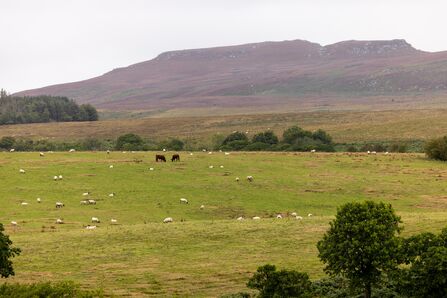
Blueburn is a 695-hectare upland livestock farm on The Rothbury Estate, owned by The Wildlife Trusts, managed by Northumberland Wildlife Trust. The farm has two full-time local stock men, David Milburn and David Wood, caring for the mixed livestock and land. They also farm two other farms on the Estate – Holling Hill and Morrelhirst. 

Wildlife Trusts across the UK manage over 100,000 hectares of land as well as around twenty-five working farms, with nature recovery at their heart. We use these to demonstrate wildlife-friendly farming methods, and several are run in partnership with local farmers.  


Farming with nature in mind

At Blueburn, we are running a productive farm while managing the land to support nature recovery. We know nature-friendly farming can boost biodiversity and help reverse decades of devastating national declines in the natural world. On The Rothbury Estate, we aim to work with local farmers to create a joined-up land management approach where restoring nature supports sustainable farming. Existing tenancies will remain unchanged by the sale, and we expect current sheep flock and cattle herds to continue grazing on the estate. 

 There is always variation in how land is farmed. It is therefore great to learn from others and understand how they are choosing to approach the different challenges that farming brings. Last week, some of the team visited College Valley in Northumberland to discover how they’re using grazing to transform the valley for biodiversity. We learnt how they're using deferred grazing to out winter cattle, keeping the costs of winter housing down and benefiting wildlife by creating varied wildflower growth and rich grassland meadows. These alternative ways to graze livestock can ensure nature is a winner too. 

A brown bull with a white patch on its underside stands in a grassy field, looking slightly to the left. The landscape around it is open and green under an overcast sky.

Casanova the bull at Blueburn Farm © The Wildlife Trusts

Back at Blueburn, calving started this week. We’re thrilled that Casanova - the Luing bull who moved here last spring - has offspring already – a male calf born in the last few days. 

Fifty cows are in calf, thirty from Casanova, and seven have already given birth so there’s plenty to come. We’ll watch from a distance to ensure all is well and step in if needed. They came inside early February, giving them three or so weeks to settle before calving. All being well, and weather permitting, they’ll be back outside with their calves within a couple of weeks of giving birth. Its better for their wellbeing and keeps the costs down too. 

A grazing approach that will support biodiversity

Blueburn’s habitats include moorland, wet and dry heath, pockets of peatland, and diverse grasslands. In the future we will manage the grasslands in such a way that more wildflowers will thrive, and with some areas more closely grazed by cattle than others. 

Our approach to grazing should also allow more scrub, taller sedges, and grasses to return. Together, these changes create more habitats and increase wildlife diversity and abundance. In terms of cattle breed, we farm with our Luing herd, a hardy breed that originated from the Island of Luing in the Inner Hebrides. In the future we might look to introduce other hardy but placid cattle breeds suited to grazing to support biodiversity – helping people to access our farmed estate with greater confidence. 

Lambing begins in early April. The ewes have been scanned and grouped based on how many lambs they’re carrying. Mule ewes will lamb indoors and return outside when ready, while the Scottish Blackface sheep will lamb outdoors from mid-April. 

Alongside calving and lambing preparations, other farm tasks continue—fence repairs, mucking out sheds, and completing health and safety training. The lighter days and welcome sunshine are helping carry us into this busy season of renewal.

With a long and varied history of agriculture on The Rothbury Estate, we are committed to it remaining at the heart of our future plans.

Learn more about The Rothbury Estate