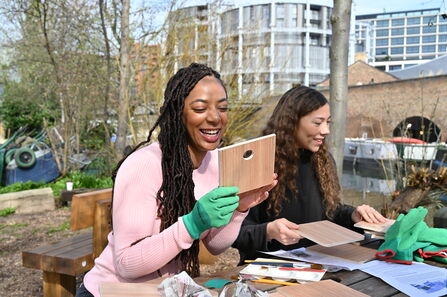
A new report from The Wildlife Trusts has uncovered a growth in green careers in 2025, with more people developing their environmental skills including through traineeships, T Level placements and dedicated leadership programmes.
Data gathered by The Wildlife Trusts suggests that more young people are developing their green careers, with nearly a quarter (23%) of their staff aged 16-29 having progressed in their roles in the past year alone. More Wildlife Trust career opportunities were also opened to both young people and those seeking a career change in 2025 as a result of growing demand.
The trends have been revealed by The Wildlife Trusts’ annual Diversity Report, which seeks to assess representation as well as highlight the opportunities and barriers to accessing nature and environmental careers.
From community gardening spaces to peatland restoration projects, a range of other initiatives from across 46 local Wildlife Trusts are also boosting career opportunities which help to tackle nature loss, climate change and increase access to greenspace. These include:
- The Environmental Leadership Programme supports 18 to 25 year olds from underrepresented and underserved communities across the West Midlands to develop environmental leadership skills and connection with nature, creating pathways into Wildlife Trust careers and environmental action.
- Naturally Connected Young People is delivering a UK-wide programme of nature-connection projects to young people aged 11-16 across the UK, working across secondary schools and community groups. Focused on reaching young people who traditionally face the greatest barriers when it comes to accessing nature, the programme helps participants to immerse themselves in nature to support their health and well-being.
- T Level placements which, through a pilot scheme, offered over 800 industry placement hours in office-based roles for T-Level students - 16 to 19 year olds learning vocational skills in subjects such as business, marketing, digital and finance. As a result of the placements, students’ confidence in crucial employability skills increased.