
There’s been much discussion over the future of farming on The Rothbury Estate. Here's what’s happening on the estate’s Blueburn Farm as we await the arrival of spring.
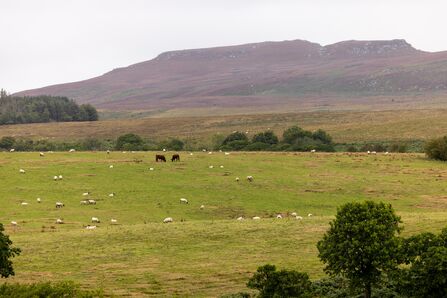
Blueburn is a 695-hectare upland livestock farm on The Rothbury Estate, owned by The Wildlife Trusts, managed by Northumberland Wildlife Trust. The farm has two full-time local stock men, David Milburn and David Wood, caring for the mixed livestock and land. They also farm two other farms on the Estate – Holling Hill and Morrelhirst.
Wildlife Trusts across the UK manage over 100,000 hectares of land as well as around twenty-five working farms, with nature recovery at their heart. We use these to demonstrate wildlife-friendly farming methods, and several are run in partnership with local farmers.
Farming with nature in mind
At Blueburn, we are running a productive farm while managing the land to support nature recovery. We know nature-friendly farming can boost biodiversity and help reverse decades of devastating national declines in the natural world. On The Rothbury Estate, we aim to work with local farmers to create a joined-up land management approach where restoring nature supports sustainable farming. Existing tenancies will remain unchanged by the sale, and we expect current sheep flock and cattle herds to continue grazing on the estate.
There is always variation in how land is farmed. It is therefore great to learn from others and understand how they are choosing to approach the different challenges that farming brings. Last week, some of the team visited College Valley in Northumberland to discover how they’re using grazing to transform the valley for biodiversity. We learnt how they're using deferred grazing to out winter cattle, keeping the costs of winter housing down and benefiting wildlife by creating varied wildflower growth and rich grassland meadows. These alternative ways to graze livestock can ensure nature is a winner too.