You can't restore pride in place while ignoring nature

You can't restore pride in place while ignoring nature

The Wildlife Trusts' Chief Executive, Craig Bennett, sets out why the Prime Minister's plan to restore pride to local communities won't succeed unless nature is front and centre.

Last week, the Prime Minister set out his vision for Britain: a tolerant but assertive country, grounded in contribution, shared responsibilities, and pride in place. Promising to reverse the decline in our communities and give power, agency and control back to people who want to take action, Keir Starmer announced a further £800 million to the Government’s Pride in Place programme.

Yet his speech exposed a yawning blind spot within No. 10 – despite talking about the importance of communities and local action, not once did Starmer mention Nature.

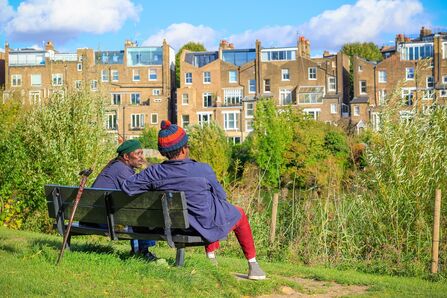
Polling shows that local green space is the most important thing to foster pride in people’s communities - even more than local historic buildings and football teams. We are deeply proud of our local parks and natural spaces.

This is not surprising, as we are a nation of nature lovers. Further polling by More in Common for Climate Outreach, published last year, found that 83% of Brits said they always found beauty in nature with similar numbers saying that nature made them very happy. This was true across all sectors of society - nowhere is the UK more united than in our collective love for nature.
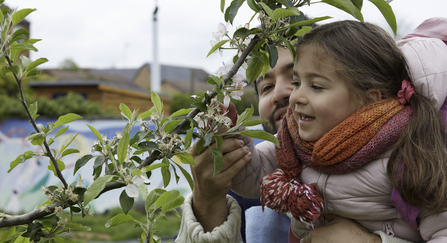
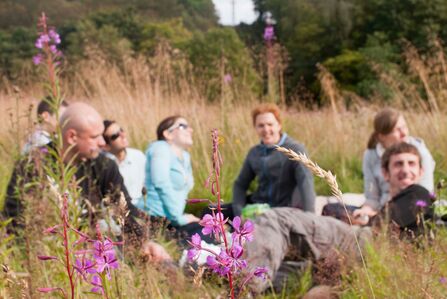
And we know this deep appreciation of nature brings people together, too. The Wildlife Trusts have shown this through our Nextdoor Nature programme, and we continue to work with over 1,600 different local communities across the UK, supporting people from all backgrounds to restore and connect with nature where they live and work.

Starmer’s failure to recognise this underlines just how much No. 10 has lost touch with the British public. 


In his speech, Starmer said that Britain now faces a choice “between renewal and grievance”, pitting those who believe society is a zero-sum competition against those who believe we can unite for a higher purpose.

Yet too often over the past 18 months, this Government has fallen into the former camp. The passing of the environmentally regressive Planning and Infrastructure Act before Christmas and the current crusade to further rip up nature protections through the Nuclear Regulatory Review show how the grail of economic growth is perceived as a zero-sum game between business and nature by this Government.

This is of course completely false, but this blinkered strategy has been pushed by policy advisers inside No. 10 and the Treasury, contributing to the PM’s growing problems. The reshuffle inside Government prompted by Morgan McSweeney’s resignation over the weekend now presents an opportunity to bridge the growing gap between Downing Street and the British public on the importance of nature and its ability to renew communities.

Failure to reverse the Government’s anti-nature rhetoric will only further damage the confidence of voters. 


poll carried out by Savanta for The Wildlife Trusts found a fifth of Labour’s 2024 supporters are less likely to vote for the party again, as a result of the PM’s speech deriding the laws that protect nature as “unnecessary red-tape". The poll showed that voters on the right and left were equally alienated by the PM’s remarks; love of nature unites across political divides.

It will also fail to tackle the historic injustices in access to nature in this country. Communities have deep pride in their local green spaces, but eight million households in the UK struggle to access them – and it is often the most marginalised in society who would benefit the most from having nature-rich spaces on their doorstep.

The percentage of homes without a garden is higher among minoritised ethnicities, with Black people in England nearly four times as likely as White people to have no outdoor space at home. People in semi-skilled and unskilled manual occupations, casual workers and those who are unemployed are almost three times as likely as those in managerial, administrative, or professional occupations to be without a garden. Unless we recognise and address this as a serious issue, we risk making nature a resource for the wealthy.

There are some signs that No. 10 are waking up to the power of local communities, with the new English Devolution and Community Empowerment Bill intended to empower local action - but again nature is largely missing. The Government won’t succeed in restoring pride to communities, if they continue to ignore the cherished local nature that makes a space a special place to those who live there.