Get voting! Vote opens on new wildlife banknotes, which highlight conservation efforts across the UK

Get voting! Vote opens on new wildlife banknotes, which highlight conservation efforts across the UK

You can vote on the new wildlife faces of our bank notes. Let’s dive in to the Bank of England’s shortlist of 18 species…

The month-long vote which launched on Wednesday 3rd June follows a public consultation which saw overwhelming support for nature themed currency. A panel of wildlife experts, including The Wildlife Trusts’ Katy Bell, have since compiled the shortlist ahead of public vote. 

The public will be able to vote for their favourites to appear on on the next £5, £10, £20 and £50 notes, across three categories: 
Cast your vote

#mammals

Mammals

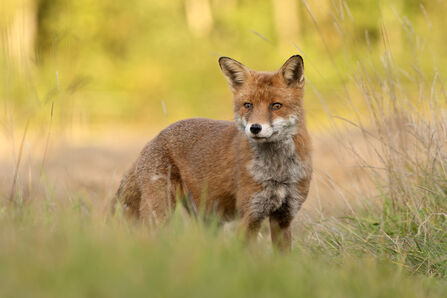
  • Red fox
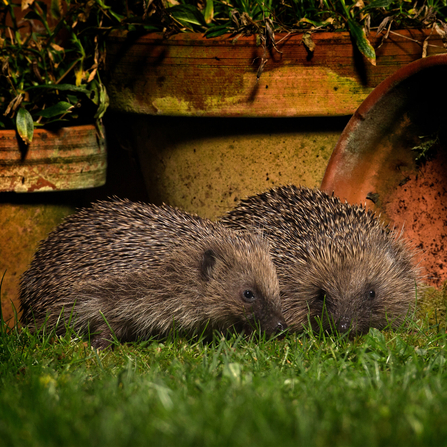
  • European hedgehog
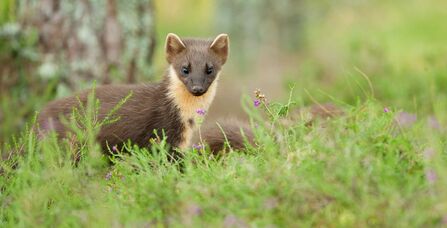
  • Pine marten
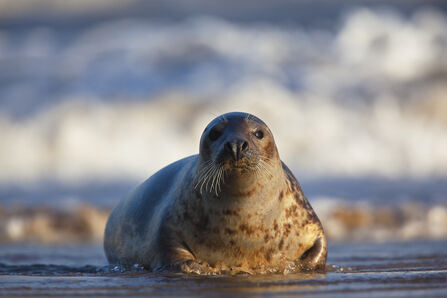
  • Grey seal
  • Brown hare
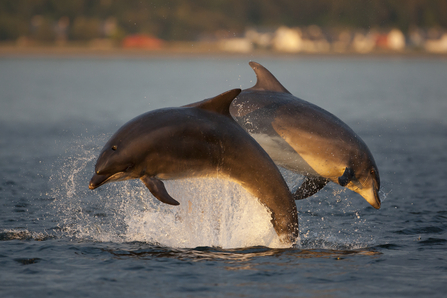
  • Bottlenose dolphin
#birds

Birds

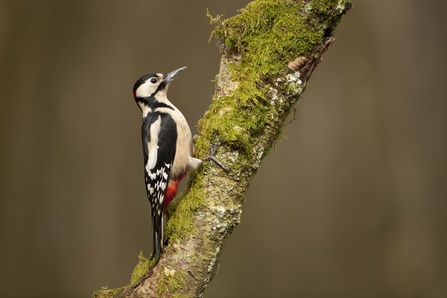
  • Great spotted woodpecker
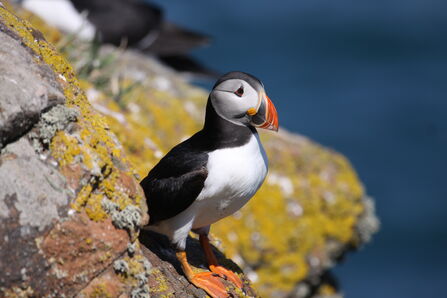
  • Puffin
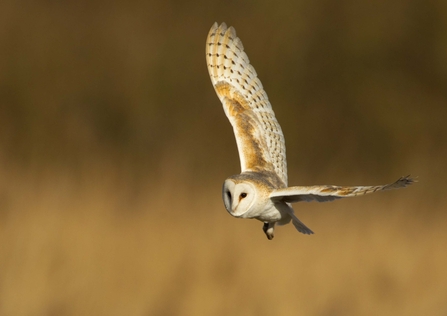
  • Barn owl
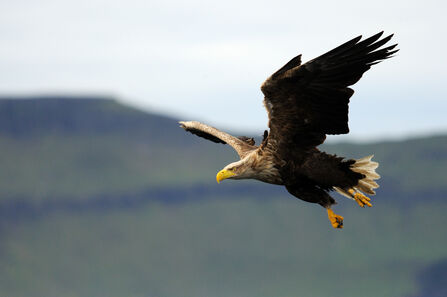
  • White-tailed eagle
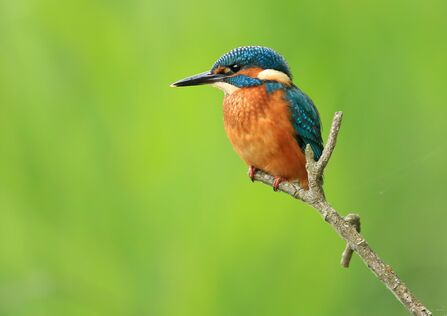
  • Kingfisher
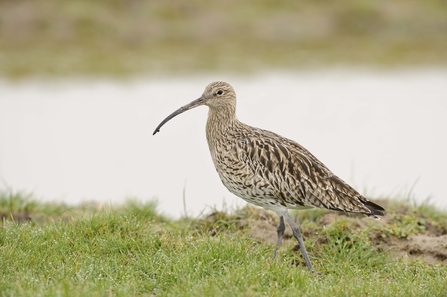
  • Curlew
#other

Amphibians, insects and fish 

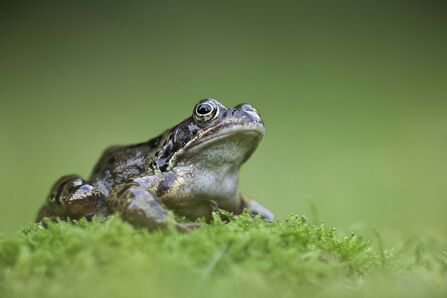
  • Common frog
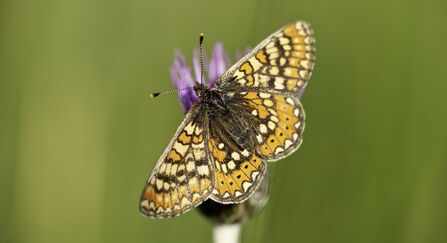
  • Marsh fritillary butterfly
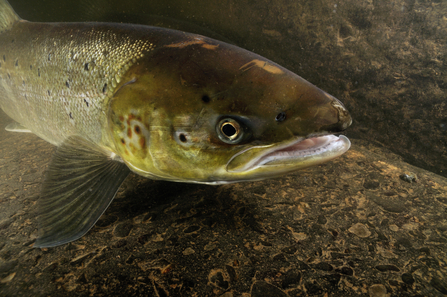
  • Atlantic salmon
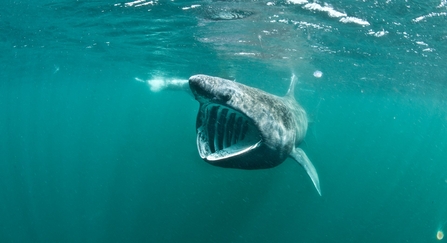
  • Basking shark
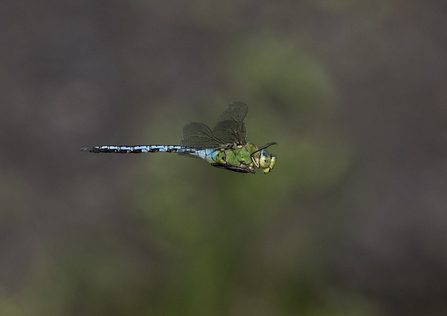
  • Emperor dragonfly
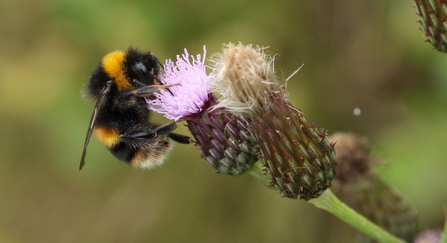
  • Buff-tailed bumblebee

Katy Bell, Bank of England wildlife panellist and senior conservation officer at Ulster Wildlife, says:  

“From marine, river and woodland nature to familiar farmland and urban wildlife, we’re delighted that the shortlist features a number of much-loved species from across the UK. It was no tall order deciding on which species to include, but it’s incredibly heartening to know that the public wish to see nature feature on our bank notes for years to come.  

“However, we mustn’t forget that many of these species are facing huge pressures from climate change, habitat loss and land management changes. As a nation of nature lovers, we all have a role to play in reversing the declines of wildlife - whether that’s creating nature-friendly gardens and greenspaces, helping to restore habitats on land and at sea, or advocating for nature’s protection right across the UK. Together, let’s make this the moment we all invest in nature.” 

Cast your vote

Alongside the public vote launch, the Bank of England have outlined how nature is vital to our landscapes, ecosystems and everyday lives, and has long inspired iconic works of art, music and literature. Evidence also continues to show that nature is fundamental to our economy, wellbeing and the air we breathe, the water we drink, and the food we eat.  

As the UK’s biggest movement for nature, The Wildlife Trusts continue to restore habitats, advocate for better nature protection, and even reintroduce many of the species named on the shortlist. Together with local communities, we’re fixing nature to fix the nation. These efforts include: 

Bringing species back

  • White-tailed eagles have successfully been reintroduced to Scotland and the Isle of Wight, and there is hope for future reintroductions to southeast Wales, the Severn Estuary and Cumbria. Gwent and Cumbria Wildlife Trusts are working to bring this keystone species back so it can thrive across the UK once more.
  • Devon and Gloucestershire Wildlife Trusts have been at the forefront of pine marten reintroductions to the southwest of England, returning this small mammal to the area after an over 100-year absence through releases into the Forest of Dean, Dartmoor and Exmoor. Elsewhere, Ulster Wildlife continue to monitor the spread of pine martens for the benefit of woodland ecosystems, including boosting red squirrel numbers.
  • Devon Wildlife Trust is also growing thousands of devil’s-bit scabious plants for the benefit of one of our most threatened butterflies – the marsh fritillary. Once widespread, this beautiful species has declined severely and is now extinct across much of Britain, reduced to a few tiny populations. 

Turning the tide on nature loss at sea

Our marine life faces a myriad of threats out at sea, including pollution from plastics and chemicals, injury by fishing nets, and disturbance from recreational activities, shipping and development. Climate change is also warming our waters, impacting the availability of food. Despite these threats: 

  • The Wildlife Trust of South and West Wales’ annual survey of the puffin colony found on Skomer Island had another record-breaking year in 2026, with 52,019 puffins recorded. Their success is likely linked to the absence of rats and other predators on the island, plus a higher abundance of food in the wider area.
  • Meanwhile, drones are used to monitor the grey seal colonies found at South Walney near Barrow. Here, Cumbria Wildlife Trust counted a record 563 seals, and continue to educate the public on how to view them safely from a distance.
  • Efforts to better understand the movements of marine species such as bottlenose dolphins and basking sharks involve Wildlife Trusts recording sightings and also assisting with local stranding response networks. The establishment and strict management of Marine Conservation Zones and Marine Protected Areas is also critical, minimising human disturbance and accidental bycatch in fishing gear within key breeding and feeding areas. 

Creating wilder rivers and riverbanks

Across the UK, Wildlife Trusts are demonstrating how nature can help to restore rivers to full health, tackling pollution, erosion and climate change impacts in tandem. From flooding to drought, these nature-based solutions not only protect people’s homes and livelihoods, but they also provide habitats for wildlife. 

  • Hampshire & Isle of Wight Wildlife Trust are restoring the River Itchen, one of only six chalk streams in England that still supports wild Atlantic salmon. Work here includes restoration of natural floodplains and removal of barriers to salmon migration while also working with local communities to improve water quality and restore riverbanks.
  • Efforts to improve water quality and bring wilder riverbanks to life – like Nottinghamshire Wildlife Trust’s Three Rivers Restoration Project - also benefit kingfishers and dragonflies, who both rely on clear, slow-moving water to feed and breed.  

Adopting nature-friendly farming

With 70% of the UK farmed, getting nature’s recovery right on farmland is critical. That’s why The Wildlife Trusts continue to advocate for support from governments and supply chain actors so that farmers can build nature-friendly and resilient businesses. 

  • Changes in agriculture have seen a dramatic decline in brown hare numbers, but nature-friendly methods are helping them to bounce back. Through the Jordans Farm Partnership, The Wildlife Trusts works with oat farmers across England to collectively provide an area almost the size of Oxford for nature. Species such as barn owls, brown hares, and vital pollinating insects like bees are all benefitting as a result.
  • Many Wildlife Trusts are also involved in the monitoring and erection of barn owl boxes, working particularly with local farmers. One particular example is Essex Wildlife Trust, who together with volunteers have installed over 300 nest boxes and ringed over 470 individual barn owls.
  • Meanwhile, The Dead Wood Society has seen Gloucestershire, Herefordshire and Worcestershire Wildlife Trusts restoring deadwood habitats across the region, advising farmers and landowners on managing orchards, wood pasture and decaying wood. These are essential nesting habitats for great spotted woodpeckers which also boost the insects and larvae they feed on.
  • Land management changes have also had an impact on Eurasian curlews, a ground-nesting bird found on upland moorlands and peat bogs. The call of the curlew can be heard at The Rothbury Estate, where The Wildlife Trusts and Northumberland Wildlife Trust hope to purchase this vast swathe of land and deliver conservation works for the benefit of curlew and many other species, as well as local people. 

Connecting with the nature on our doorsteps

For decades, The Wildlife Trusts have been engaging and connecting people with nature. Not only for the species’ benefit, but for people’s health and wellbeing too. Whatever your outdoor space – be that a balcony, garden, allotment or community greenspace, there are steps everyone can take to help wildlife. 

  • For common frogs, ponds are vital for feeding and breeding, and connecting these habitats – whether in your garden, local greenspace or even farmland - is critical. That’s why Norfolk Wildlife Trust are working hard to restore lost ‘ghost ponds’ in the Brecks. Dating back to the Ice Age, these now revived ponds are helping rare plants and wildlife to bounce back.
  • Elsewhere, red foxes are common wildlife encounter for many in urban cities and towns. Wildlife Trusts across the UK are conserving crucial habitats such as woodlands, scrublands, and urban green spaces, providing foxes with safe resting sites and an abundance of natural food.
  • Ulster Wildlife is undertaking the first-ever GPS tracking project for hedgehogs in Northern Ireland, revealing the hidden and often hazardous journeys these familiar garden visitors make each night. The tracking project will help to inform conservation action, wildlife-friendly urban planning, and demonstrate the importance of hedgehog highways in connecting gardens in towns and cities.
  • Restoring flower rich meadows on Wildlife Trust reserves, coupled with nature-friendly gardening efforts, benefits a vast range of pollinators such as the buff-tailed bumblebee who have otherwise suffered steep declines due to habitat loss, land use changes and pesticide use.