Deeply Rooted

Join Meg Dobson, our Email Marketing Officer, and discover the folklore deeply rooted in our woodlands. From the protective rowan to the sacred oak, there’s more to our favourite tree species than meets the eye.

Before trees were valued for storing carbon and supporting wildlife, they were protected for another reason. People believed they held magic.

In the ancient world, there was no distinction between nature and magic; the two were understood as part of the same living landscape. Spirits lingered in groves, a god’s wrath was evidenced in a thunder-struck branch and some trees were said to protect you from suffering an ill-fate. 

Maybe these beliefs came from reverence or fear — let’s be honest, it’s probably both. But they became deeply woven into our history.

Join us as we wander beneath the canopy and uncover the ancient lore hidden in our woodlands.
Rowan  

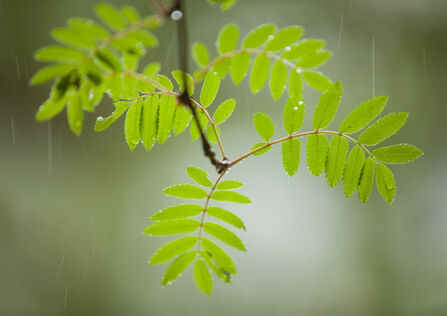
If any tree has earned the reputation as a guardian, it’s the rowan.  

Across northern Europe, rowan trees were believed to stand watch against the unseen. In countless stories across regions, the rowan tree could protect you against witchcraft, spirits and a whole host of ill omens – the kind of unseen threats folklore placed at the edges of everyday life.  

Rowan trees have a long history of offering protection to households. Even today, they can be seen standing watch in front gardens or left guarding gateways or doorways. They’re our very own threshold guardians, holding the line between the everyday world and whatever may lie beyond it.  

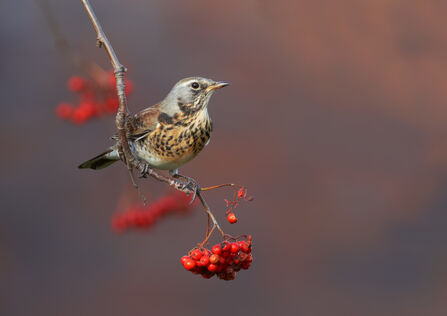
The tree’s own berries gave fuel to this idea. Their bright red colour and five-lobed, almost pentagram-shaped calyx (the remains of the flower that remains attached to the berry after it grows) were seen as symbols of protection in folk beliefs.

Whether protecting against the local witch or a dose of bad luck, the rowan has maintained its enduring reputation as a trusted protector. It is a prime example of how, throughout history, humans turned to the natural world for reassurance against the unseen dangers of the supernatural.  

Oak 

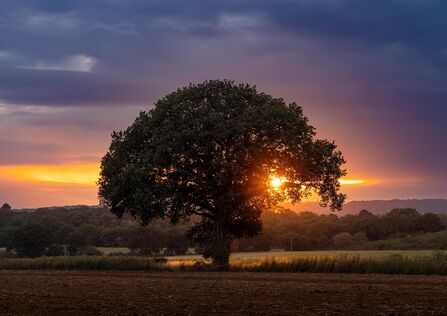
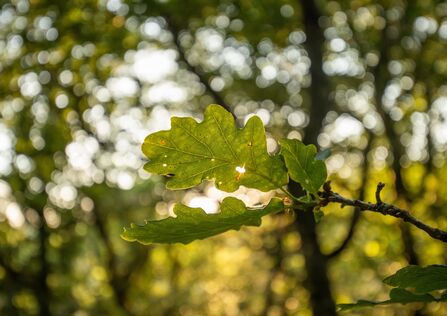
You could say that the oak is a tree fit for the gods. 

To ancient people, these giants must have seemed unshakeable. Oak trees can tower above the crown cover, their branches seeming to bridge the gap between the earth and sky.  Throughout our history, oaks came to be regarded with reverence usually reserved for the divine.

Thanks to their great height, oaks are particularly prone to lightning strikes. Across Europe, they became closely associated with gods of thunder, including Zeus, Perun, Thor and Jupiter. It’s understandable how an ancient person could witness a lightning strike crackling dramatically across the sky, hear the deafening thunderclap that followed, see the heavy oak branch struck down and then conclude that it was a warning or message hurled from the heavens.

Among the druids, the oak held particular importance. Writing in the first century, Pliny describes druidic rites performed within oak groves and the ritualistic harvesting of mistletoe from the oak’s branches. Some scholars even suggest that the word druid may be derived from the ancient term meaning “knower of the oak”. True or not, the claim reflects the oak’s reputation as a tree of immense power, one capable of making even modern admirers feel small beneath its weight of history.

Yet folklore also credited the tree with possessing healing properties and that it could provide protection, too. According to Welsh lore, rubbing your left palm against an oak bark on a midsummer’s day was said to ward off illness for the year ahead. Other superstitions advised wearing an acorn around your neck for protection, or planting one for future prosperity.  

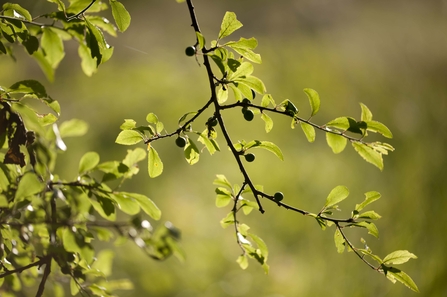
Blackthorn

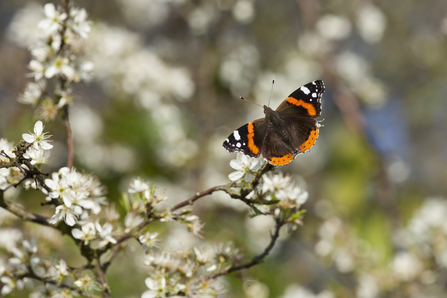
Blackthorn has a way of making us feel like we’re away with the fairies. 

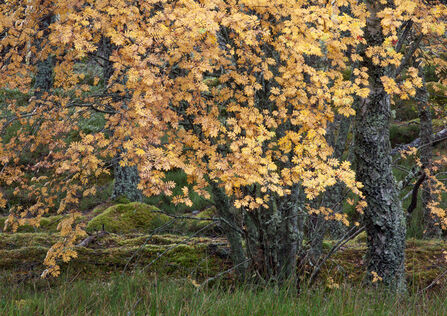
Across Britain and Ireland, blackthorn groves were often thought of as places where the otherworld and our world collide. Alongside its cousin, the hawthorn, it became known as a fairy tree, woven into stories of the hidden folk and the dangers of disturbing their realm.

For this reason, folklore discouraged the cutting down of a blackthorn. To do so was said to invite misfortune, or worse, the displeasure of the fairies themselves. Some tales speak of those who damaged a fairy tree only to suffer bad luck from then on. 

On Beltane, when the veil between worlds was thought to be at its thinnest, resting beneath a blackthorn could result in being whisked away to the land of the fairies. My advice? Don’t cut down a blackthorn tree unless you really, really have to. That and always make sure you have a strong coffee before celebrating Beltane. 

Blackthorn’s connection with magic didn’t stop there. In Celtic tradition, its dark wood was often associated with witchcraft; witches were believed to craft wands from the gnarled, thorny branches. 

The tree is also closely associated with the Cailleach, the formidable Scottish goddess of the wilderness and winter, who was said to have carved out the mountains.  Like blackthorn, she symbolises both hardship and resilience against biting conditions. 

Yet blackthorn was not just feared. Like rowan, it could serve as a protective tool. When planted near a home, blackthorn was believed to ward off evil spirits, while in Irish folklore, travellers fashioned sturdy walking sticks from its wood, known as shillelaghs. These walking sticks were valued not only as practical, but also as a charm against mishap. 
 

These tales remind us that trees were never just part of the backdrop in the lives of our ancestors. They were guardians, places of worship and doorways to other realms. Trees were a living presence in a world where nature and magic are one and the same. It’s not hard to see why these old beliefs remain so deeply rooted in our history.

However, the importance of trees extends far beyond myth. While we might wander past a tree without giving it a moment’s notice, trees are vital hubs for wildlife, providing shelter, food and protection for mammals, insects and birds alike. Entire worlds exist amongst their branches and beneath their bark. You have to admit, that is pretty magical.