
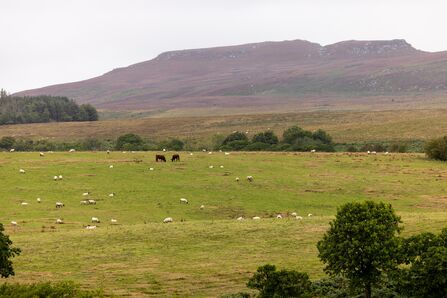
Luing heifers, Simonside, Rothbury © John Millard
Farming and land management on The Rothbury Estate
Wildlife Trusts across the UK manage over 100,000 hectares of land as well as a number of working farms, with nature recovery at their heart. We use these to demonstrate wildlife-friendly farming methods, and several are run in partnership with local farmers. Additionally, we have over 100 farm advisors working with farmers and farmer clusters across the UK.
The Rothbury Estate
Here on The Rothbury Estate, which spans almost 9,500-acres in the heart of Northumberland, there is a strong and much-loved agricultural history providing a sense of pride in this special place. This landscape is now in our care - a role we share with our tenant farmers - and we understand the need to honour that heritage while helping shape a sustainable future for farming and nature alike.
Our aim is to support tenant farmers on The Rothbury Estate so they have a sustainable future. We will lead on regenerative practices on the farms we’re managing ourselves and will support the remaining tenanted farms should they wish.
Farming and nature can thrive together
The Rothbury Estate is a place where we believe farming and nature can thrive together, and our ambition is to work alongside local farmers and tenants to create a joined-up land management approach where restoring nature supports sustainable farming businesses.
Nature-friendly farming can boost biodiversity and help reverse decades of devastating national declines in the natural world.
Sheep and cattle grazing will remain an important part of the estate. On the in-hand farms, sheep numbers will reduce and cattle numbers will increase over time. This will provide a different grazing regime that will help increase the mix of plants, insects and birds that call this place home. Giving nature space to thrive can also benefit the grazing animals on the farm and reduce the need for extra feed over the winter months.
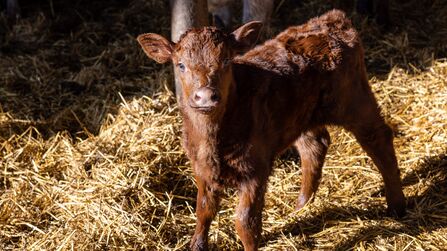
A Luing calf at the Rothbury Estate © John Millard
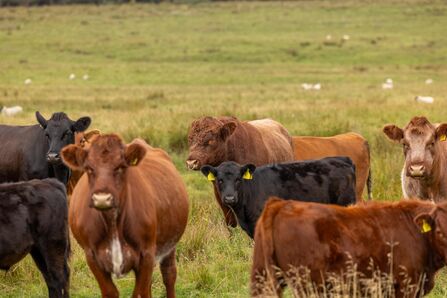
Cattle on The Rothbury Estate © John Millard
Looking to the future
With the communities who live and work on and around the estate, we will develop a vision for the future management of this remarkable landscape. With nature-friendly, regenerative farming, we will place nature’s recovery at the heart of the estate, while respecting the rural traditions of the region. We hope to build bigger markets for local nature-based farm produce so building a stronger local economy and farm businesses.
Over time, our plans may include managing grazing to encourage more wildflowers, taller grasses, scrub and wetland habitats, creating a richer and more varied landscape for both people and wildlife.
Our own farms are currently grazed by a herd of Luing cattle, a hardy breed well suited to upland environments. In the future we may explore using other cattle breeds that can help us restore habitats while remaining well suited to public access across the estate.
We are also exploring opportunities to create species-rich meadows, expand native woodland, develop wood pasture and scrub habitats, practice agroforestry where appropriate, and restore wetlands and river corridors. These changes will help create a more connected landscape where wildlife can flourish.
The estate's farming team is now part of The Wildlife Trusts, and we hope our plans will create new opportunities for local people, support rural livelihoods and contribute to the local economy. In time, we hope to encourage other food-based enterprises to flourish on the estate, for example, market gardening. Building on the region's food producing traditions, our vision is for more, good quality and sustainable produce to enter the local market and supply retailers and food outlets.
Through partnership, nature-friendly farming and habitat restoration, we want to help nature recover while celebrating the farming heritage, culture and character that make Rothbury such a special place.
We want to show how nature, community and the rural economy can work together, with people and wildlife thriving side-by-side. We will sensitively enhance public access so that more people, locally and from across the UK, can explore and learn about the history of the area and the wonderful wildlife found here.
Now we have succeeded in keeping this exceptional, iconic landscape intact, we must preserve its rich history and precious wildlife, whilst ensuring a livelihood for its farm tenants, for generations to come.

