Whales, dolphins and basking sharks bring 'blue planet’ moments to UK coasts this summer

Whales, dolphins and basking sharks bring 'blue planet’ moments to UK coasts this summer

Basking shark ©Alex Mustard/2020VISION

Orcas, Risso's dolphins, basking sharks and sunfish are among the spectacular marine species recently spotted around the coast, as The Wildlife Trusts launches National Marine Week to celebrate and protect the wildlife found in UK waters.

From orcas and Risso’s dolphins to basking sharks and sunfish, remarkable sightings around the coast in recent weeks showcase the rich diversity of marine wildlife found in UK waters as millions of people head to the coast this summer. 

The sightings come as The Wildlife Trusts launches National Marine Week (25th July – 9th August), which explores the incredible journeys made by marine wildlife that live in or visit UK waters, and highlights the importance of protecting the connected seas, rivers and oceans these species depend on. 

Summer is one of the best times to see wildlife around the UK coast, with warmer weather and calmer seas creating more opportunities to spot marine life. As people visit beaches, coastal paths and shorelines, The Wildlife Trusts are encouraging people across the UK to responsibly look for wildlife and to report their sightings. These records help build a better understanding of the lives and movements of marine species, and how they may be changing over time.  
Daniele Clifford, marine conservation officer at The Wildlife Trusts, said: 

“People often think you have to travel abroad to see incredible marine life, but there are amazing animals living in and travelling through UK waters. From mighty whales to soaring seabirds and even limpets on the move, there are Blue Planet moments happening off our coasts every day. 

“These animals face many challenges during their journeys – from accidental capture in fishing gear and man-made barriers blocking their paths to rising sea temperatures. Protecting the places they depend on has never been more urgent, and everyone can play their part. By recording the marine wildlife and sharing any sightings with your local Wildlife Trust, you can help efforts to understand, protect and restore habitats and marine life.   

“Throughout National Marine Week, Wildlife Trusts across the UK will be hosting events and sharing online resources to help you discover the wildlife beneath the waves and the incredible journeys these animals make. Whether you know your porpoises from your dolphins or not, our experts are on hand to review your photographs and videos, answer your questions and explain more about the remarkable marine life found around our shores.” 

The UK’s seas, coasts and connected rivers form part of internationally important migration routes, breeding and feeding grounds for many species, making healthy seas, rivers and coastlines vital for wildlife in the UK and beyond.  

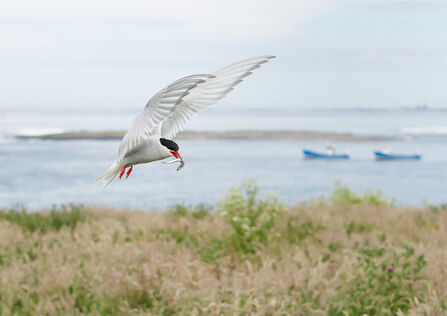
European eels migrate between British rivers and the Sargasso Sea, Arctic terns travel thousands of miles from breeding sites in the Arctic and sub-Arctic, including the UK, to the Antarctic each year, while species such as basking sharks, sunfish and bluefin tuna travel to UK waters in summer to feed. 

While some marine animals follow long-distance migration routes that have been used for thousands of years, others make shorter but equally important movements within UK seas and along the coast, to feed, breed and raise their young. Even limpets make daily journeys across rocky shores to feed before returning to the same spot. 

But these journeys are becoming increasingly challenging. Rising sea temperatures driven by climate change, alongside pollution, habitat loss, unsustainable development and fishing, are placing growing pressure on UK seas. 

Protecting marine wildlife and the vital journeys these species undertake requires action at every scale – from restoring rivers and safeguarding coastal and marine habitats to securing protections in international waters. 

This year, National Marine Week aims to inspire people to better understand the remarkable marine wildlife found in UK waters and the importance of protecting these amazing animals on their journeys. Supported by players of Postcode Lottery, it will feature family-friendly events across the UK, giving people the chance to learn more about Britain’s interconnected coasts and rivers and discover the incredible wildlife they support.  

Event highlights include breakfast with bottlenose dolphins in Cardigan Bay, whale and dolphin watching at Durlston, Portland Bill and Lizard Point, SeaFest at St Bees in Cumbria, seashore safaris, rockpool rambles and opportunities to learn about endangered European eels in Newquay. With events taking place across the UK, there's something for everyone. 
 

Get involved with National Marine Week

How to report a marine sighting

Additional information

Five UK wildlife highlights to spot during National Marine Week 

This year's National Marine Week celebrates the incredible journeys made by marine wildlife found in UK waters – from epic migrations across oceans to the daily movements of animals along the shore. Here are five wildlife highlights to look out for around the UK coast this summer. 

  1. Crabs, limpets and rockpool creatures 

Rockpools and shallow shores around the UK offer fantastic opportunities for close-up wildlife spotting. In summer, spider crabs move into shallow waters and gather in large numbers to moult and breed. Limpets can also be seen on rocks, making short journeys to feed before returning to the same spot, while anemones and other shoreline species reveal the rich diversity just beneath the surface. Wildlife Trust rock-pooling events and shore safaris are great ways to discover the wildlife found along the coast.  

  1. Basking sharks 

The UK’s largest fish can be spotted at the surface in summer, as their dorsal fin and tail may break the water as they move slowly through plankton-rich seas. They make long seasonal journeys to UK waters and are most likely to be seen off western Scotland (including the Hebrides), Northern Ireland, Cornwall, Devon and the Isle of Man, following food-rich waters along the coast. Courtship behaviours suggest they may breed here, but very little is known about these gentle giants, making recorded sightings even more important. 

  1. Dolphins 

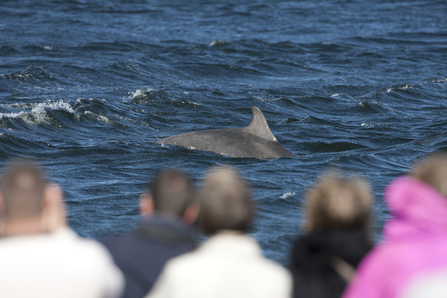
Bottlenose dolphins are one of the UK’s most exciting marine wildlife sightings, often seen from cliffs, headlands and boats as they travel along the coast. They are frequently spotted moving together in pods, splashing, leaping and breaching. In UK waters, there are offshore pods, which range widely in larger groups, and coastal pods that move regularly between familiar feeding areas. These journeys can cover large distances, with some dolphins recorded travelling between Scotland and Denmark, and others moving along the south coast from Cornwall to Sussex. 

  1. Seals 

Grey seals can often be spotted on beaches, sandbanks and rocky shores, where they come ashore to rest, moult and breed. When at sea, they travel widely around the UK coastline, with some individuals covering hundreds of miles as they move between feeding and resting areas. They are most likely to be seen in Scotland, eastern England and south-west England, and watching them from a safe distance – with dogs on leads – can be a perfect summer activity. 

  1. Seabirds 

Summer is also a key time to see seabirds around cliffs and islands, where they gather in large breeding colonies between May and July. One species to spot is the Manx shearwater which takes on a massive annual migration - flying up to 10,000 km every year between nesting sites in the UK and the coast of South America for winter. Other species to look out for include puffins, gannets, guillemots and various terns. Key viewing locations include northern and western Scotland, the Farne Islands, Pembrokeshire, East Yorkshire, the Isles of Scilly and Alderney. Also, take a look at Manx Wildlife Trust’s Manx Shearwater nest webcams live from the Calf of Man. 

The Wildlife Trusts are also calling for the public to make a pledge for the sea through simple actions that can make a real difference to marine wildlife. These are:  

  • Being careful about what is washed down the sink — everyday household products can pollute waterways and harm wildlife.
  • Choosing sustainable seafood, for those who eat fish, to help protect fish populations and fragile ecosystems.
  • Reducing plastic use to prevent pollution reaching rivers and the sea.  

The pledges will be logged on an online map showing growing public commitment across the UK to protecting connected waters – from source to sea and beyond. 

Notes to editors

The UK's recent ratification of the UN High Seas Treaty is an important step towards better protecting marine wildlife beyond national waters. The treaty could enable the creation of Marine Protected Areas in international waters, helping to safeguard important areas for migrating wildlife such as whales, sharks and seabirds. 

The full list of species highlighted by The Wildlife Trusts during National Marine Week are: 

Arctic tern 
Atlantic salmon 
Basking shark 
Bluefin tuna 
Bottlenose dolphin 
European eel 
Grey seal 
Humpback whale 
Limpet 
Manx shearwater 
Spider crab 

More information about these species and National Marine Week – including an array of events from breakfast with bottlenose dolphins, rockpool rambles and seashore safaris to marine crafts and beach cleans – can be found here: wildlifetrusts.org/national-marine-week  

As the largest non-governmental organisation working on marine conservation in the UK, The Wildlife Trusts work to restore rivers and coastal habitats, monitor marine wildlife, advise on fisheries and developments, and campaign for well managed Marine Protected Areas, helping nature to recover across land and sea. 

Thanks to Postcode Lottery players, who support our marine conservation work and help make National Marine Week possible.