UK Government grant takes The Wildlife Trusts another step closer to securing The Rothbury Estate

UK Government grant takes The Wildlife Trusts another step closer to securing The Rothbury Estate

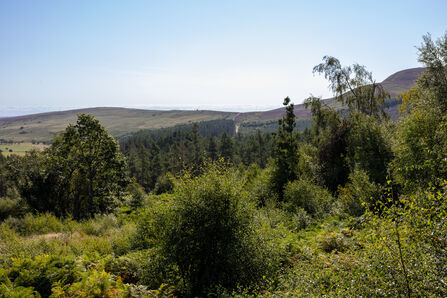
Simonside Hills landscape © Duncan Hutt Northumberland Wildlife Trust

UK Government recognises The Rothbury Estate as one of most significant opportunities for nature recovery in England at COP17

A £1.94 million pledge from the UK Government has provided a welcome boost to The Wildlife Trusts’ bid to purchase The Rothbury Estate in Northumberland. The grant was announced yesterday at the UN Global Biodiversity Conference, COP17, taking place in Armenia.  

Together with a £5 million grant from The National Lottery Heritage Fund, as well as several other transformational donations from funders, anonymous philanthropists and members of the public, the grant from the Department for Environment, Food and Rural Affairs (Defra) is one of the largest received during the two-year fundraising appeal. It joins over £17 million donated by individuals since the campaign began. 

At almost 9,500 acres, The Rothbury Estate offers an extraordinary opportunity to restore nature at scale, strengthen nature-friendly farming and improve public access. The Wildlife Trusts’ ambitious appeal to raise £30m to purchase the estate in its entirety, if successful, will help create a bigger, better and more joined-up area for nature and people to thrive in the North East. Ultimately, it is this combination of ambition, scale, and its potential to contribute towards the government's 30by30 target that has helped to secure the funding announced yesterday. 

However, as the appeal enters its final week, efforts are ongoing to secure the future of entire estate for nature and the nation. As the government grant and a number of other pledges will not be released until after the fundraising deadline, The Wildlife Trusts remain committed to fundraising and are also exploring how low-interest loans could help the appeal to meet the target by the end of the month. 
Craig Bennett OBE, chief executive of The Wildlife Trusts, says: 

“We’re thrilled to have the UK Government’s support and recognition of the scale of our ambitions at The Rothbury Estate, and this grant will take us another step closer to realising our vision for one of the largest nature recovery projects England has ever seen. Together with the millions generously donated by philanthropists, charitable funds and thousands of members of the public, this rubber stamp of approval from the government makes The Rothbury Estate a nationally significant landscape and we look forward to hearing how our vision for the estate will join with government plans to deliver 30by30 across the country.”   

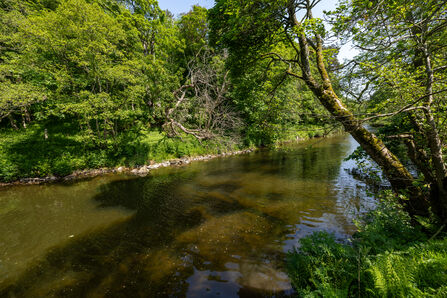
The Rothbury Estate is a historic 9,500-acre stretch of moorland, woodland, rivers, and farmland in the heart of Northumberland – equivalent to the size of central London – and includes the much-loved Simonside Hills. The Royal Society of Wildlife Trusts and Northumberland Wildlife Trust are working together to secure the site, which lies at the heart of a potential 40-mile nature recovery corridor stretching from the north-east coast to Kielder on the central Scottish border. It offers an unprecedented opportunity for restoring nature at scale to benefit both wildlife and people.  

Donate to The Rothbury Estate Match Appeal

Notes to editor

The Rothbury Estate in Northumberland has 9,486 acres which encompass woodland, moorland and other important wildlife habitats, with some designated as Sites of Special Scientific Interest. The Simonside Hills on the western side of the Estate have an important place in the hearts of Northumbrians. By acquiring The Rothbury Estate, The Wildlife Trusts and Northumberland Wildlife Trust aim to enhance the rich natural heritage of the Estate for future generations, create a sustainable future for local farmers and avoid the land being broken up into multiple ownerships, which would make access for the public more difficult.  

The Estate’s dramatic uplands are already home to curlew, mountain bumblebee, lapwing and other wading birds, whilst its woodlands provide a refuge for endangered red squirrels. Cuckoo and merlin – the UK’s smallest falcon – are also found here. In spring, the Simonside Hills are alive with the sound of skylarks singing high in the air as they mark out their territories and try to attract a mate. In summer, flowers such as harebell, wild thyme, devil's-bit scabious, maiden pink, rockrose and mountain pansy bring colour to the grasslands. Salmon and critically endangered eels swim in the Estate’s rivers and its riverside woodlands support rare summer breeding birds such as wood warbler, redstart and pied flycatcher. 

But this rich tapestry of wildlife could be richer still, with the return of more species and in much greater numbers in the next decade. Longer-term and building on these foundations, we could also see secretive pine marten moving softly through the forests, beaver on the waterways and ancient breeds of cattle grazing in woodland glades. 

A red squirrel darts along a branch, it's paws outstretched and ears swept back

Red squirrel © Peter Cairns/2020VISION

Donate to The Rothbury Estate Match Appeal

Together, we can achieve something extraordinary.

As we race towards the finish line, there's still time to double your donation. Until the purchase is completed at the end of October, every £1 given will be matched up to £150,000. 

Donate today