Club BB 2026: how nature-positive facilities management can unlock incredible gains for biodiversity

Club BB 2026: how nature-positive facilities management can unlock incredible gains for biodiversity

Jon Hawkins

Gillian Cawthorne discovers how Biodiversity Benchmark is helping transform MIRA Tech Park near Nuneaton into a landscape where nature sits alongside cutting-edge industry.

Club BB is The Wildlife Trusts’ annual gathering of organisations leading the way in nature-positive land management through Biodiversity Benchmark. Hosted each year by a Biodiversity Benchmark holder, Club BB gives members the opportunity to explore habitats first-hand, exchange practical management techniques and take away ideas to apply at their own sites. More than this, Club BB represents a community at the forefront of the growing movement for nature-positive land management.

This is vital work. From record-breaking May temperatures in 2026 to the wettest winter ever recorded in parts of the country, the UK is experiencing increasingly extreme weather. That's why creating resilient habitats is central to delivering the Kunming-Montreal Global Biodiversity Framework's roadmap to halt and reverse biodiversity loss by 2030. As The Wildlife Trusts’ Local to Global report explains, achieving these goals in the UK depends not only on governments but on businesses too. Restoring habitats, reconnecting landscapes, reducing pressures on wildlife and creating opportunities for people to experience nature all rely on action at a local level.
Biodiversity Benchmark tests the design and implementation of a business’s management systems to achieve continual biodiversity enhancement and protection on their sites.  


With Biodiversity Benchmark, organisations like MIRA Tech Park are demonstrating how workplaces, business parks, factories and operational sites can play a vital role in nature's recovery, with facilities and ecological management teams leading the way. These efforts all add up - 7,620ha of land is managed under the Benchmark, an area of land almost the size of the city of Derby.

As Europe's largest mobility and technology research and development cluster, MIRA is home to leading engineering businesses. Alongside its innovation facilities, however, sits an equally impressive network of habitats created and managed through Biodiversity Benchmark that demonstrate how facilities management can be used towards progress on the Global Biodiversity Framework. 

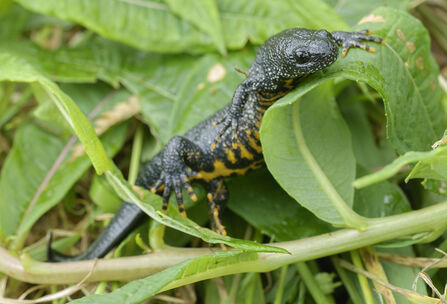
Across the estate, 28 acres of wildflower meadows provide vital habitat for pollinators, supported by four acres of native tree planting. Wetlands, woodland and heath have been restored and enhanced, and ponds have been created to support great crested newts and a wide range of other wildlife. Bat boxes, bird boxes, bug hotels, and connected green corridors contribute to a joined-up approach to habitat management.

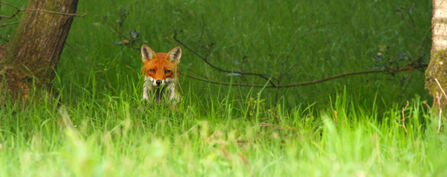
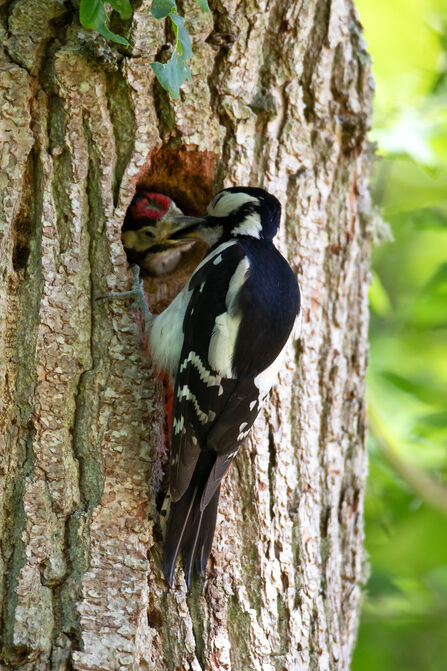
The results for nature and people since MIRA Tech Park first achieved the Benchmark in 2024 have been fantastic. More than 30 bird species have been recorded, including birds of prey, owls, woodpeckers, thrushes and finches. Foxes, badgers, deer and hares are now regularly seen across the site. Employees, tenants and visitors are also part of the journey, with opportunities to take part in wildlife surveys, biodiversity walks and hands-on conservation activities that deepen their connection with the local flora and fauna. 

The benefits are felt by the wider business too. The shift from prescriptive, manicured grounds maintenance to proactive habitat management helps support ESG goals, complements the site’s Net Zero objectives and supports Scope 3 emissions reduction through nature-based solutions. Grounds maintenance costs have been reduced by around £40,000 each year through a less intensive approach to land management.

Wildflower meadow in summer

MIRA

“Thanks to a new mowing regime, grounds maintenance costs have been reduced by £40,000 a year"

MIRA's experience mirrors many of the ambitions within the Global Biodiversity Framework. It is reducing pressures on biodiversity, restoring habitats, improving ecological connectivity and embedding nature into everyday business operations. Just as importantly, it is helping people experience wildlife where they work.

That matters because people are more likely to value nature when they encounter it regularly. As highlighted in The Wildlife Trusts' Local to Global report, restoring biodiversity is not simply about protecting special places. It is about bringing nature back into people's everyday lives. Business parks, campuses and industrial estates represent thousands of hectares of land that can contribute to national and global biodiversity recovery while creating healthier, more attractive places to work.

This opportunity also represents a practical and visible starting point for companies with complex value chains who must do more to act on their nature-related dependencies, impacts, risks and opportunities. Club BB 2026 shows that global biodiversity ambitions are delivered through practical action on the ground. By bringing together ecologists, facilities managers and sustainability professionals to share knowledge and best practice, the network shows how businesses can turn ambition into measurable outcomes.

To find out more about how the Benchmark might work for your organisation, please reach out to us here.