Red squirrels, adders and cuckoos… spring wildlife must-sees on The Rothbury Estate

Red squirrels, adders and cuckoos… spring wildlife must-sees on The Rothbury Estate

Ross Hoddinott/2020VISION

Spring stirs across The Rothbury Estate, bringing a surge of wonderful wildlife activity. Duncan Hutt, Director of Conservation at Northumberland Wildlife Trust, shares the joy of wildlife on the Estate.

With the longer, warmer days comes a familiar sense of anticipation. Across the 3,800 hectares of The Rothbury Estate, spring is stirring and with it, the wildlife too, as the landscape slowly shifts from the winter’s chill to the first whispers of spring. This is always one of my favourite moments in the year as over the coming weeks, there’ll be much to see and hear on The Rothbury Estate.  

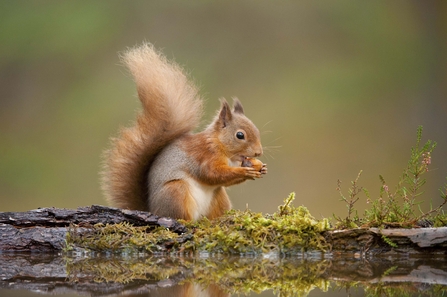
One of the most dramatic scenes is the red squirrel mating chase, which is now underway. These rather frantic and acrobatic chases between rival males, each vying for the female’s attention, can last for hours, often resulting in conflict. Such events can be rather noisy too, with sounds of chirping, calling and the scraping of claws on bark all audible during the pursuit.  

The successful male tends to be the dominant one, although the female may mate with several males each season. A female red squirrel will be pregnant for between 38 and 48 days, before giving birth to 3 to 4 kits in their nest, called a drey, roughly the size of a football. The kits are entirely reliant on their mother, being born with no sight or hearing. While some will stay with their mother over their first winter, most will leave and be independent by late autumn.   
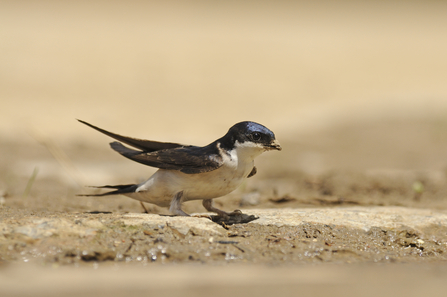
It won’t be long before the first swallows return after their extraordinary journey from Africa. This should happen in early April, followed closely by the upbeat flutter of house martins. While the swallows tend to return to the same barn or building each year to build new nests, house martins also often return to the same buildings but then reuse or refurbish their previous nest from previous years. 

At Holling Hill Farm on The Rothbury Estate, the farm cottage is home every year to a ‘richness’ of returning house martins. It’s such a delight when they return, darting around the skies above the farm at such speed. Both swallows and house martins are aerial hunters, catching insects such as aphids and small beetles in the air. The difference between the two isn’t what they eat, but where they hunt. For the swallow, it tends to be lower down, often close to the ground whilst house martins feed at higher altitudes, minimising competition between the two species for food. 

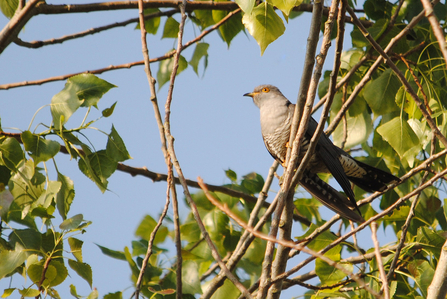
And then comes the moment I wait for every year: the unmistakable, magical call of the cuckoo. 

When that echoes across The Rothbury Estate, you know you’ve hit the spring jackpot. It’s the sound that tells us - beyond doubt - that the season has arrived. 

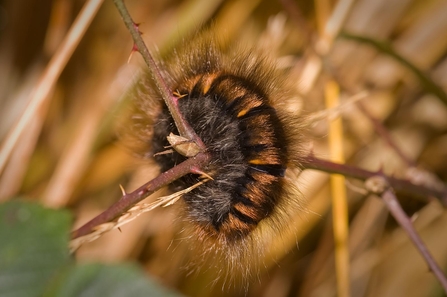
Journeying from Africa for the summer each year, The Rothbury Estate remains a stronghold for cuckoos, a species in decline across not just Britain but the world. Rothbury provides great habitat for cuckoos, and as a ‘brood parasite’ - laying their eggs in other birds’ nests for other mothers to raise - the abundance of meadow pipits, dunnocks and pied wagtails here is perfect for them as their preferred hosts. The Estate also provides the cuckoo with plenty of their favourite food too, with the hairy caterpillars of the fox moth and drinker moth, distasteful to most birds, plentiful here.    

From the water’s edge, it’s now time to keep a close eye on the Estate’s ponds at Blueburn Farm, as I wait patiently for the first tadpoles to appear. It’s one of the many reasons why water in a landscape improves biodiversity and why looking after water is one of our top priorities at Rothbury, ensuring a mixture of healthy habitats to support a thriving variety of species.  

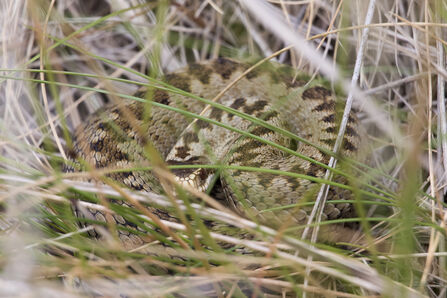
Across the heathlands and bogs, the adder can now be spotted basking in the sunshine on brighter days. Adders, a relatively small and stocky snake, hibernate from October, and these warm, early spring days are the easiest time of year to find them basking amongst the heather on or patches of shorter grass. They bask in the sun to raise their body temperature. 

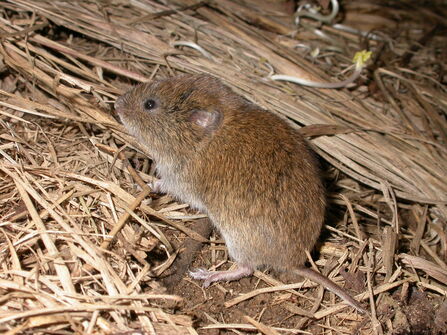
As cold-blooded reptiles, they are unable to generate their own body heat and so rely on other heat sources to warm themselves up. It’s important to do so to allow basic functions such as hunting, digesting and mating to happen. An adder’s primary food source is field voles, but they’ll also hunt frogs, small birds and lizards, including slow worms.  

The first celandines are now blooming across the Estate with their vivid and sunny yellow flowers. A member of the buttercup family, this spring flowering plant provides an important early nectar source for insects, which you may now spot more frequently. Bees are busy foraging on warmer days, collecting pollen and queen bumblebees have emerged from hibernation in the ground, to start new nests.

Primroses, fragrant and cheery, are another of the first woodland blooms to shine in March and are another important nectar source for insects, such as brimstone and small tortoiseshell butterflies among others, and a further sign that the seasons are shifting.  

I strongly suspect it isn’t just me who is eagerly awaiting these signs this year in the woodlands, in the skies and in the water, after what has felt like a very long and laboured winter. It’s time to be out and about exploring The Rothbury Estate – whether along St Oswald’s Way or the Simonside ridge loop – and seeing what wildlife sights you can spot.  

More about The Rothbury Estate