The Wildlife Trusts celebrate National Tree Week with growing efforts to restore and protect trees as climate pressures increase

The Wildlife Trusts celebrate National Tree Week with growing efforts to restore and protect trees as climate pressures increase

Oak tree © Jon Hawkins Surrey Hills Photography

From the first trees planted at England’s highest nature reserve to more than one million trees planted in Scotland, The Wildlife Trusts mark National Tree Week by highlighting major tree restoration projects across the UK

This National Tree Week (21st – 29th November), three landmark woodland habitat projects are celebrating significant milestones thanks to the work of The Wildlife Trusts. The work taking place across Cumbria, Scotland and Gloucestershire will help to restore and protect the trees and woodland habitats which play a vital role in supporting nature and community resilience. 

Trees are essential for nature, providing food, shelter and breeding habitats for thousands of species. They can also help reduce and build resilience to climate change by storing carbon, improving water quality, providing shade and reducing the risk of flooding. However, the UK’s trees are under increasing pressure from climate change, which is bringing hotter, drier summers and wetter, stormier winters. Drought can cause reduced tree growth, tree decline and even death, while prolonged heavy rainfall can lead to waterlogged soils, weakened root systems and increased vulnerability to storms, pests and diseases [1]. 

First trees planted to restore temperate rainforest in Cumbria

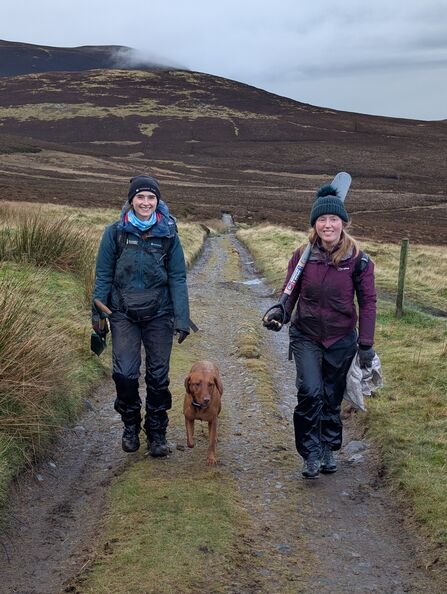
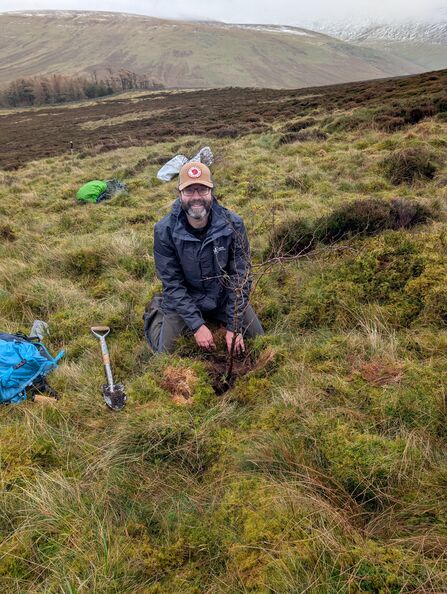
  • Seven thousand tree saplings have been planted at England's highest nature reserve, Skiddaw Forest, marking the start of a 100-year vision to restore temperate rainforest – a rare habitat that now covers less than 1% of land in Great Britain. 
  • Over 100 volunteers took part in the tree planting last week, which involved a 7-mile round trip to the planting site. 
  • The Skiddaw project aims to restore over 600 acres of native temperate rainforest, providing a home for a rich variety of wildlife including birds such as redstarts and woodpeckers, as well as rare mosses and lichens. It will also become an important carbon store, helping in the fight against climate change. 
  • Cumbria Wildlife Trust aims to establish 600,000 trees over the next five to ten years, using locally collected native seeds grown and cared for by volunteers from across local community nurseries. The seven thousand saplings planted are part of a £5 million partnership with leading UK insurer Aviva, with a £1.25 million fundraising appeal also helping to kickstart the restoration. 


More than one million trees planted to restore river woodlands across Scotland

Osprey - Peter Cairns/2020VISION

Peter Cairns/2020VISION

  • More than one million trees have now been planted as part of Riverwoods, a partnership initiative which is bringing together landowners, communities and environmental organisations from across Scotland, including the Scottish Wildlife Trust. 
  • With more than half (56%) of vegetation along Scotland’s rivers and waterways considered to be in poor condition [2], this ambitious partnership is helping to restore these important habitats and create a network of healthy river woodlands that stretches from the Scottish Borders to the Highlands and Islands. 
  • A growing network of healthy river woodlands in Scotland will help support wildlife – including otters, red squirrels, osprey and Atlantic salmon – while also improving water quality and helping landscapes become more resilient to drought and flooding.  
  • As part of the initiative, the Scottish Wildlife Trust is also developing a practical blueprint for river woodland restoration that can be applied across Scotland. This includes a new online Digital Centre of Excellence, which tracks tree planting progress and offers resources to help facilitate and inspire further action to restore these important habitats. 
     

DNA monitoring sheds new light on rare beetle populations in next phase of orchard recovery project 

A bright green noble chafer beetle

Noble chafer beetle © Gloucestershire Wildlife Trust

  • In Gloucestershire, work is underway to restore traditional orchards, which have declined by 80% since 1914. As fruit trees age, they develop cavities and crevices that provide important homes for wildlife, including the rare noble chafer beetle, mistletoe marble moth, red-horned cardinal click beetle and orchard toothcrust fungus. 
  • Protecting mature trees also helps retain the carbon stored in their wood and the soil beneath them, contributing to efforts to tackle climate change. 
  • A partnership project between Gloucestershire, Worcestershire and Herefordshire Wildlife Trusts is working to improve and expand these traditional orchards, while also developing new ways to monitor the rare species that depend on them. 
  • Researchers are comparing DNA from noble chafer beetle droppings across different populations in the UK. This is believed to be the first time the approach has been used to compare populations and will help inform future conservation efforts. 

Stan Smith, Head of Nature and Species Recovery at The Wildlife Trusts, says: 

“Trees and woodland habitats aren’t just essential for wildlife; they play a vital role in helping us adapt to our changing climate too. Who hasn’t enjoyed the shade of a tree in summer or escaped a rain shower under leafy branches? These are nature-based solutions in action – but, as well as planting more trees, we must protect the trees we already have, restore our precious woodlands, and make sure new trees are planted in the right places. 

“That means recognising the value in the wide diversity of projects taking place across The Wildlife Trusts movement, from river woodlands and future temperate rainforests to ancient orchards, as well as protecting other important habitats such as peatlands and species-rich grasslands. Across the UK, we’re working to make our natural landscapes healthier and more resilient to climate change, while giving wildlife the space it needs to thrive.”

Coed crafnant general woodland landscape 2 - June 2023 - Ben Porter.jpg

© Ben Porter

National Tree Week is an opportunity to celebrate the vital role trees play in supporting wildlife, helping communities adapt to climate change and creating healthier places for people to thrive. 


Explore more