
Today, The Wildlife Trusts have unveiled a ‘one of a kind’ guitar for auction, signed by some of the world's most famous rock icons in support of England’s most ambitious projects for nature’s recovery.
Music legends back England's most ambitious nature restoration project at The Rothbury Estate
A guitar – signed by Sir Paul McCartney, Sam Fender, Mark Knopfler, Joan Armatrading and Sting – is set to be auctioned this December to raise funds for nature restoration at The Wildlife Trusts’ Rothbury Estate in Northumberland

Guitar signed by celebrities to raise money for The Rothbury Estate © Leah Golder
Just weeks after The Wildlife Trusts and Northumberland Wildlife Trust succeeded in purchasing the £30 million Rothbury Estate, a guitar – signed by Sir Paul McCartney and Joan Armatrading, along with some of the North East’s most famous sons, Sam Fender, Mark Knopfler and Sting - will be auctioned early next month, helping to kickstart the charities’ plans for wildlife and people across the historic landscape.
As the first major piece of fundraising since acquiring the Athens-sized northeast estate at the end of October, it is hoped that music lovers around the world will be inspired to bid for this unique piece of music memorabilia and, in doing so, provide an early boost for projects on the heart-shaped estate.
Home to small populations of some of the country's most iconic species – including red squirrel, cuckoo and curlew – the aspiration is that these species will one day thrive in far greater numbers, while new wildlife returns to the rich mosaic of habitats being created across the landscape.
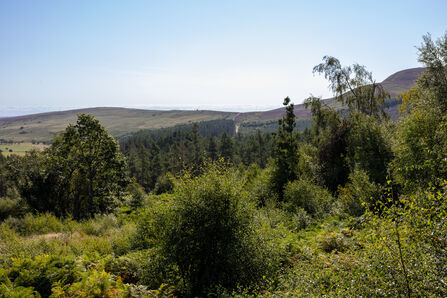
Landscape of the Rothbury Estate © John Millard
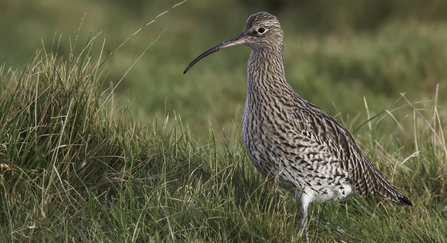
Curlew © Richard Steel/2020VISION
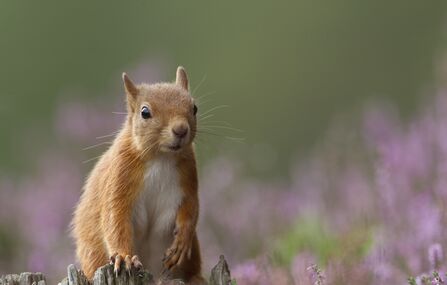
Peter Cairns/2020VISION
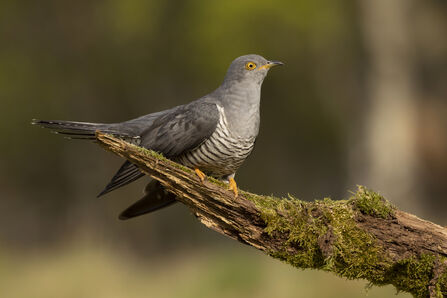
Jon Hawkins – Surrey Hills Photography
In taking time out of their busy schedules to sign the guitar, the legendary musicians’ support joins Sir David Attenborough in championing what is being heralded as a nationally significant opportunity for both nature and people.
The auction of the signed Fender Telecaster guitar is being run by Hanson Auctioneers and will be hosted by well-known television auctioneer Charles Hanson. It will take place both online and in person at Hansons Salesroom in Derbyshire at 10am on Wednesday 9th December. All those interested in bidding can register for the auction in advance by visiting Hanson Auctioneers website, with registration available until the end of the sale.

Close up of celebrity signatures on a guitar © Leah Golder

Joan Armatrading signing a guitar © The Wildlife Trusts
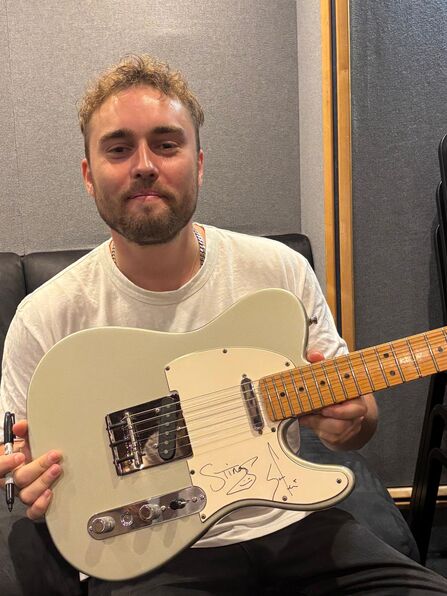
Sam Fender witha guitar he has signed to raise money for The Rothbury Estate © The Wildlife Trusts
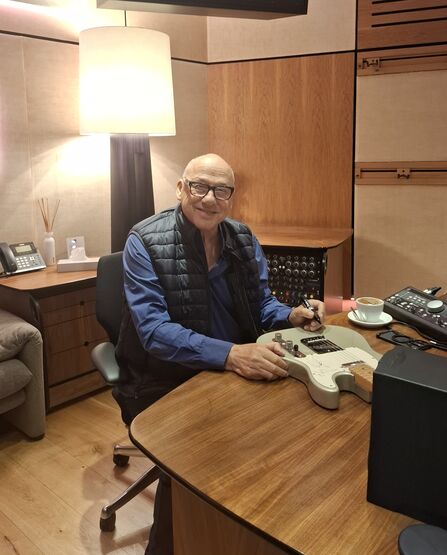
Mark Knopfler signing a guitar to raise money for The Rothbury Estate © The Wildlife Trusts
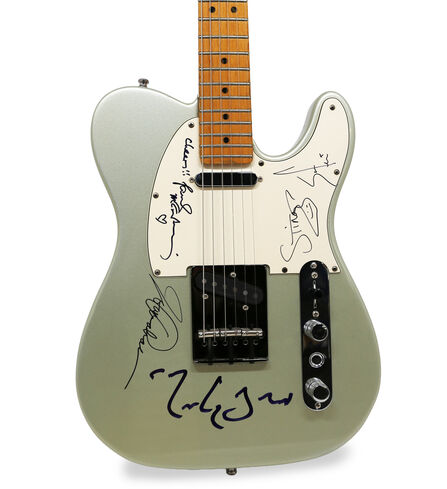
A close up of the signed guitar being auctioned to raise money for The Rothbury Estate © Kylah Ward
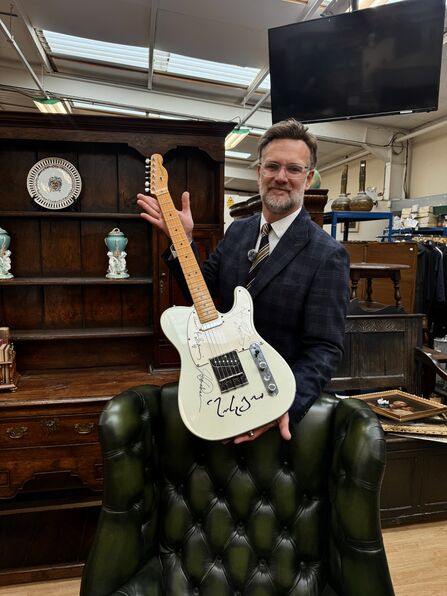
Auctioneer Charles Hanson holding a signed guitar © Leah Golder
Charles Hanson, owner of Hanson Auctioneers, says:
“It is an absolute privilege to be involved in the sale of this iconic guitar signed by some of the greatest musicians ever known. To know that the proceeds will going to such an important charity, responsible for some truly inspiring restoration projects, makes it even more important. Hopefully when it goes under the hammer on December 9 it will strike all the right notes.”
Debbie Johnson, head of major gifts at The Wildlife Trusts, says:
“We are so grateful to the musicians who have supported The Wildlife Trusts by signing this very special guitar. The Northeast has such a rich musical heritage, so it has been wonderful to see many of the artists connected to the region – and from beyond - coming together to support a cause that means so much to the community.”
The 9,500 acres of The Rothbury Estate are the beating heart of a 40-mile nature corridor from coast to Kielder. Described by Sir David Attenborough as “a place where nature, community, farming and heritage can combine to create something very special for generations to come”, the opportunity to deliver lasting benefits for nature and people is considerable.
Work to understand the variety of species that call this place home, whilst also uncovering more about the estate’s past, are already underway through a variety of surveys which include acoustic monitoring, land use history and dating, soil health and archaeological mapping. Collaborating with academics, partners and local volunteers, The Wildlife Trusts are building a ‘baseline’ for the estate at this point in time, crucial to measuring the impact of the restoration work into the future.
Editor’s notes
About The Rothbury Estate
The Rothbury Estate in Northumberland has 9,486 acres which encompass woodland, moorland and important wildlife habitats including Sites of Special Scientific Interest. The Simonside Hills on the western side of the estate have an important place in the hearts of Northumbrians. By acquiring The Rothbury Estate, The Wildlife Trusts and Northumberland Wildlife Trust are aiming to enhance the rich natural heritage of the Estate for future generations, create a sustainable future for local farmers and avoid the land being broken up into multiple ownerships, which would make access for the public more difficult.
The Estate’s dramatic uplands are already home to curlew, mountain bumblebee, lapwing and other waders, whilst its woodlands provide a refuge for endangered red squirrels. Cuckoo and merlin – the UK’s smallest falcon – are also found here. In spring, the Simonside hills are alive with the sound of skylarks singing high in the air as they mark out their territories and try to attract a mate. In summer, flowers such as harebell, wild thyme, devil's-bit scabious, maiden pink, rockrose and mountain pansy bring colour to the grasslands. Salmon and critically endangered eels swim in the Estate’s rivers and its riverside woodlands support rare summer breeding birds such as wood warbler, redstart and pied flycatcher.
But this rich tapestry of wildlife could be richer still, with the return of more species and in much greater numbers in the next decade. Longer-term and building on these foundations, we could also see secretive pine marten moving softly through the forests, beaver on the waterways and ancient breeds of cattle grazing in woodland glades.
The successful acquisition of The Rothbury Estate was achieved through the generosity and support of over 25,000 people from the local community, across the country and around the world. An incredible £17million was received in public donations, with a £5million grant from The National Lottery Heritage Fund, a £1.94million grant from Defra and donations from Charitable Trusts and philanthropists all contributing to the success of the largest fundraising campaign in the history of The Wildlife Trusts.
Related announcements:

Lordenshaw Hill Fort © The Wildlife Trusts
Learn more about The Rothbury Estate
Rolling moorlands, woodlands and wide-open starry skies. The Rothbury Estate in Northumberland is a place of rare beauty, steeped in human history.