

false
Putting communities at the heart of nature recovery
What is community organising?
Community organising is a way of working that puts people and communities first. It is an alternative to traditional modes of engagement and has the potential to create a lasting impact by helping others to help themselves.
Traditionally, The Wildlife Trusts has come into a community with a pre-determined project, calling on local people to volunteer and help bring the project to life. But once the project comes to an end, where does this leave those who put their time and passion into this project? Community Organising is about building real relationships with people on a local level, finding out what people want to do in their area and helping them achieve this for themselves.
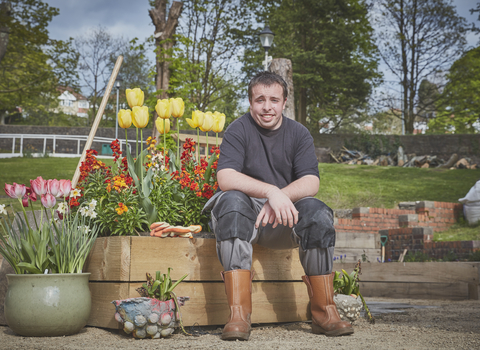
I watch people come into this group like little tight buds and open up into beautiful flowers because they start to connect with each other. They get such satisfaction and thrill from planting seeds and growing and that really helps them [...] I've always been a person that rushes around and gets severe anxiety [...] You can't hurry gardening. That's what it's done for me; it's slowed me down.Washington Mind Gardening Group
What are we doing?
The Wildlife Trusts help communities of all kinds to organise themselves, plan together, find funding, learn skills and reach other people in their community so they can continue their work independently. Through the process, these actions inspire others, creating a ‘ripple effect’ that is central to success. And nature benefits, as much as communities do.
This approach is all about building real relationships, learning what matters locally and helping people to achieve positive change on their terms. It celebrates the significance of both large and small actions supporting everyone to develop skills, confidence and relationships creating more pride for people about where they live, work or play. Ultimately, leading to more and more people influencing each other to take sustained collective action for nature and the climate.
Thanks to £5 million of funding from the National Lottery Heritage Fund, The Wildlife Trusts were provided with the means to put all of this theory into action and amplify our impact.
Initially, Nextdoor Nature aimed to reach 200 communities across the UK. At the end of the programme, 44 Wildlife Trusts across the UK had worked with 1,600 communities, in a range of capacities - from talks and advice to workshops and training, and sustained practical support over time.
“It’s forming a community, so I know my neighbours now. And it’s not only led to greening within the area, but also lots of social groups as well. It has brought us together as a community.”

Working with diverse communities
If we are to reach our ambitious goal of getting 1 in 4 people to take action for nature, we must work beyond our reserves and beyond our traditional stakeholders. The 44 UK Wildlife Trusts employed one or more specially trained community organisers to go into communities that have been traditionally or historically excluded from the conversations about nature.
We had a vision, we just didn't know how to go about it. Having someone like Fee from Leicestershire Wildlife Trust has helped us enormously. She's been able to introduce us to different organisations that might be able to help. Having that partnership has been hugely important to us.Belgrave Neighbourhood Community Housing Association, Leicester

The Wildlife Trusts