Today The Wildlife Trusts publish a list of eight Bills to fast-track nature recovery, improve national security and bolster people’s health. They are an invitation to the UK Government to do better. The proposed legislation demonstrates the level of ambition UK Ministers should aim for if delivery is to match warm words about wildlife, and to meet the rising public demand for nature action.
The last King’s Speech proposed 40 different Bills to overcome the challenges facing the UK. Not one of those Bills sought to tackle the severe and ongoing loss of nature in the UK, despite the fact that such declines threaten our food, water, health and homes. Since that speech in 2024, wild species and the habitats on which they depend have continued to decline at an alarming rate. The prospect of catastrophic ecosystem collapse has inched closer.
In January this year, the UK Government published a summary of the National Security Assessment on global biodiversity loss (1), showing nature decline to be a growing risk to the UK’s economy and overall security.
The Wildlife Trusts propose eight bills that, if progressed by the Government, would put legal boosters under efforts to restore nature.
They include:
The Ocean Emergency Bill
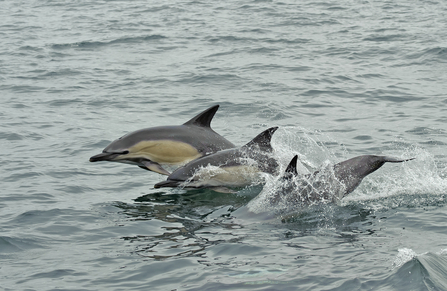
To give Defra emergency powers to tackle the rapidly deteriorating marine environment, including control of marine by-laws and planning processes where urgent intervention is needed for nature. The Bill will require Defra to use these powers to fast-track a whole-site ban on bottom trawling in Marine Protected Areas and a Marine Spatial Plan across English seas.
The River Restoration Bill
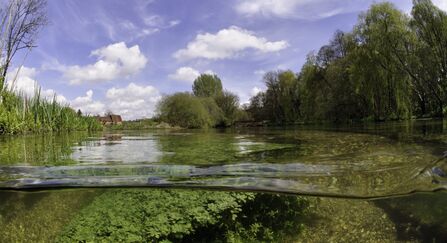
To remove artificial barriers in rivers which impede species movement, cut off rivers from wider freshwater networks and degrade riverine habitats. The Bill also seeks to implement a Wilder River Banks target to increase habitats in recovery for nature alongside rivers to reduce the risk of pollution and floods.
The Better Land Use Bill
To reduce the production of environmentally damaging bioenergy, minimise harmful impacts of intensive livestock farming, enforce the Land Use Framework across UK Government and enhance environmental restoration on land protected for nature.
The Peatland Recovery Bill
To conserve carbon-storing, water-filtering, wildlife-rich peatland by banning the use of peat in horticulture and restricting development on deep peat. The horticulture industry has been preparing for a legal ban since 2022 and a ban on the use of peat has been too long in the making, particularly as there are tried and tested environmentally friendly alternatives to horticultural peat.
The Bison and Elk Return Bill
To create a new regulatory regime for the reintroduction of large herbivores to the wild in England, to boost nature recovery through improved habitat management and the restoration of natural processes.
The Nature & Climate-friendly Development Bill
To help ensure that new developments benefit people, nature and climate. It will increase habitats for wildlife alongside new homes through design measures such as swift bricks as well as improving people’s health and increasing private investment in nature recovery through Biodiversity Net Gain markets.
The Access to Nature Bill
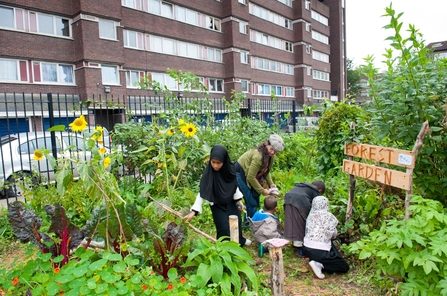
To confirm a legal right to enjoy a healthy environment and require decision makers to increase public access to nature to uphold that right. A large body of evidence underpins people’s need for nature. Action is now needed to fulfil the Environmental Improvement Plan’s commitment to ensure that everyone has access to green or blue spaces within a 15-minute walk from home.
The Nature Investment Bill
To increase private investment in nature recovery. It will establish a governance framework for nature markets, including minimum standards and a dedicated regulator, to encourage investment.