

Suilven mountain with its surrounding moorland and bogs © Joe Cornish/2020VISION
Combatting the Climate Change Crisis
We are in the middle of climate and nature emergencies and the two are deeply interconnected. We cannot solve one without tackling the other.
Climate change is contributing to the decline of nature in the UK and globally. The changing climate makes it harder for wildlife to survive, with extreme weather events on the rise.
But nature can also help limit climate change and adapt to its impacts. Habitats such as peatlands, woodlands, seabed sediments and saltmarsh remove carbon dioxide (a type of greenhouse gas) from the atmosphere and store it in large amounts. Urban trees help to cool streets during heatwaves. Beavers can help slow the flow of water, reducing the risk of flooding.
When we lose wildlife and wild places, we also lose the ability to reduce greenhouse gas emissions and adapt to climate change
Our response to the climate crisis defines our ability to protect and restore nature, and our efforts to protect and restore nature are integral to reducing climate change and reducing its impacts. To tackle the climate crisis, we need to see:
- Rapid reductions in global greenhouse gas emissions, and;
- Widespread adaptation to current and future impacts of climate change
Nature plays a key role in both.
At The Wildlife Trusts we’re working to restore nature, campaigning for nature and climate to be at the heart of policy-making, and aiming to achieve net zero by 2030.
Explore our work and learn more about the climate crisis.


Read the latest news and blogs on the climate crisis
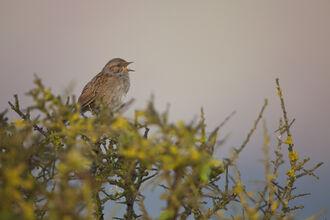
The Wildlife Trusts respond to new support for farmers tackling drought
The additional funding is a positive step forward, but we must see long-term investment in our natural environment if we are to tackle…
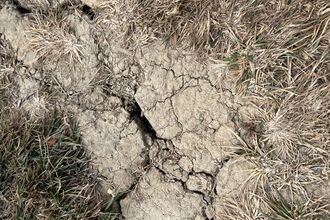
We drained Britain dry. Now we are watching it burn
Britain faces summers of extreme heat, drought and wildfires. The solution to help us adapt is more nature - not less.
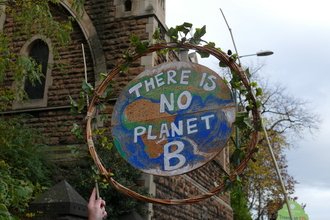
Nature charity CEOs call out Kemi Badenoch’s attack on Net Zero
Climate change needs action, not just words


