
Each year on 22 May, the United Nations marks the International Day of Biological Diversity (IDB). This year’s theme — “acting locally for global impact” — resonates strongly with the work of The Wildlife Trusts.
Acting locally for global impact

Manx shearwater © Chris Gomersall/2020VISION
How does nature conservation in the UK make a difference to global conservation efforts? Leigh Morris, Director of International at The Wildlife Trusts, explains more as the International Day of Biological Diversity approaches.

The Wildlife Trusts exist to deliver nature conservation across the UK, working across countries, clusters of counties, devolved nations and Crown Dependencies, and always in close partnership with local communities.
This local focus is, and will remain, at the heart of what we do.
However, alongside delivering conservation on the ground, we also have a responsibility to ensure our work contributes meaningfully to global nature and climate targets — and that we clearly demonstrate the role our work plays in conserving biodiversity at a global scale.
This International Day of Biological Diversity, we are highlighting the vital work The Wildlife Trusts are undertaking to support migratory species. Migratory species visit all 46 Trusts. Some Wildlife Trusts focus on protecting these species when they are “on their patch”, while others work with international partners throughout the year to help safeguard them across their entire migratory cycle.
How Wildlife Trusts are supporting migratory species
Manx shearwaters
The Wildlife Trust of South & West Wales and Manx Wildlife Trust are both delivering on-the-ground conservation for Manx shearwaters on the island reserves of Skomer and the Calf of Man.
There are now approximately 350,000 pairs on Skomer. On the Calf of Man, an award-winning Isle of Man partnership has removed rodents after 2012. From zero breeding pairs, the population of Manx shearwaters has now recovered to an estimated 1,500 pairs (and rising!).
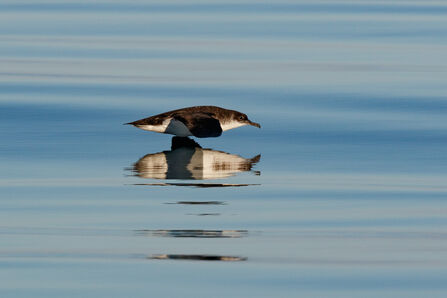
Manx shearwater © Lara Howe
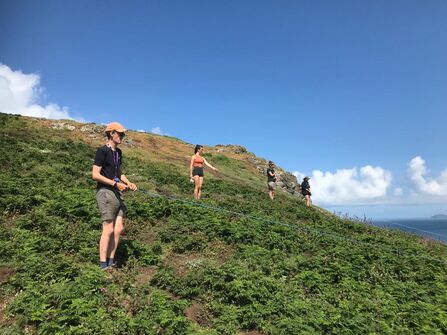
Manx shearwater conservation team © The Wildlife Trust of South & West Wales
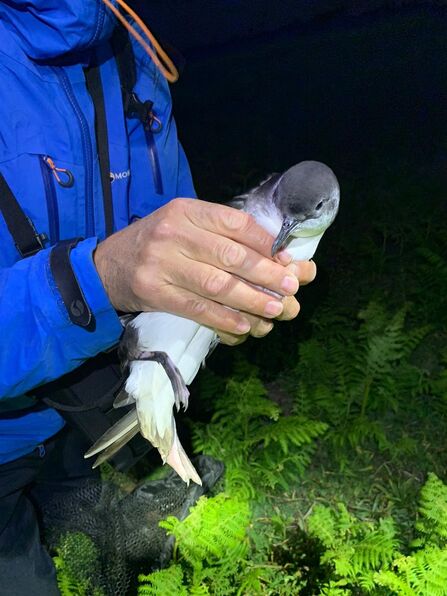
Ringing a Manx shearwater on the Calf of Man © L Morris
Ospreys
Leicestershire and Rutland Wildlife Trust launched the Rutland Water osprey project in 1996, which has since resulted in over 300 fledged chicks. These ospreys migrate annually to Africa, and individuals born at Rutland have gone on to colonise sites across England.
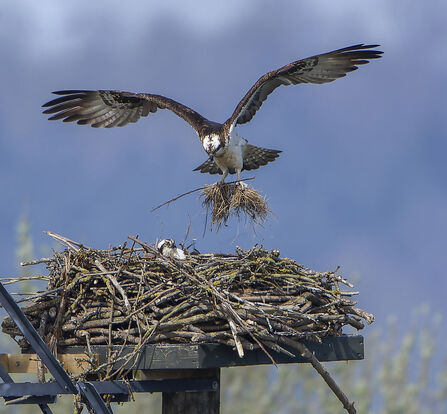
Ospreys nesting © Ray Kilham
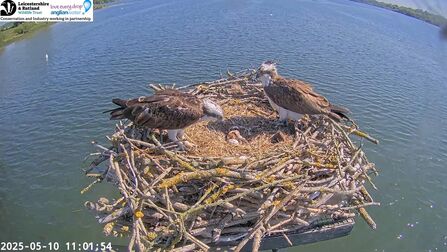
Maya, 33 and their first chick on nest in 2025 © Leicestershire and Rutland Wildlife Trust
European eels
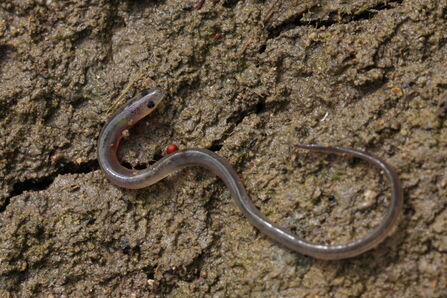
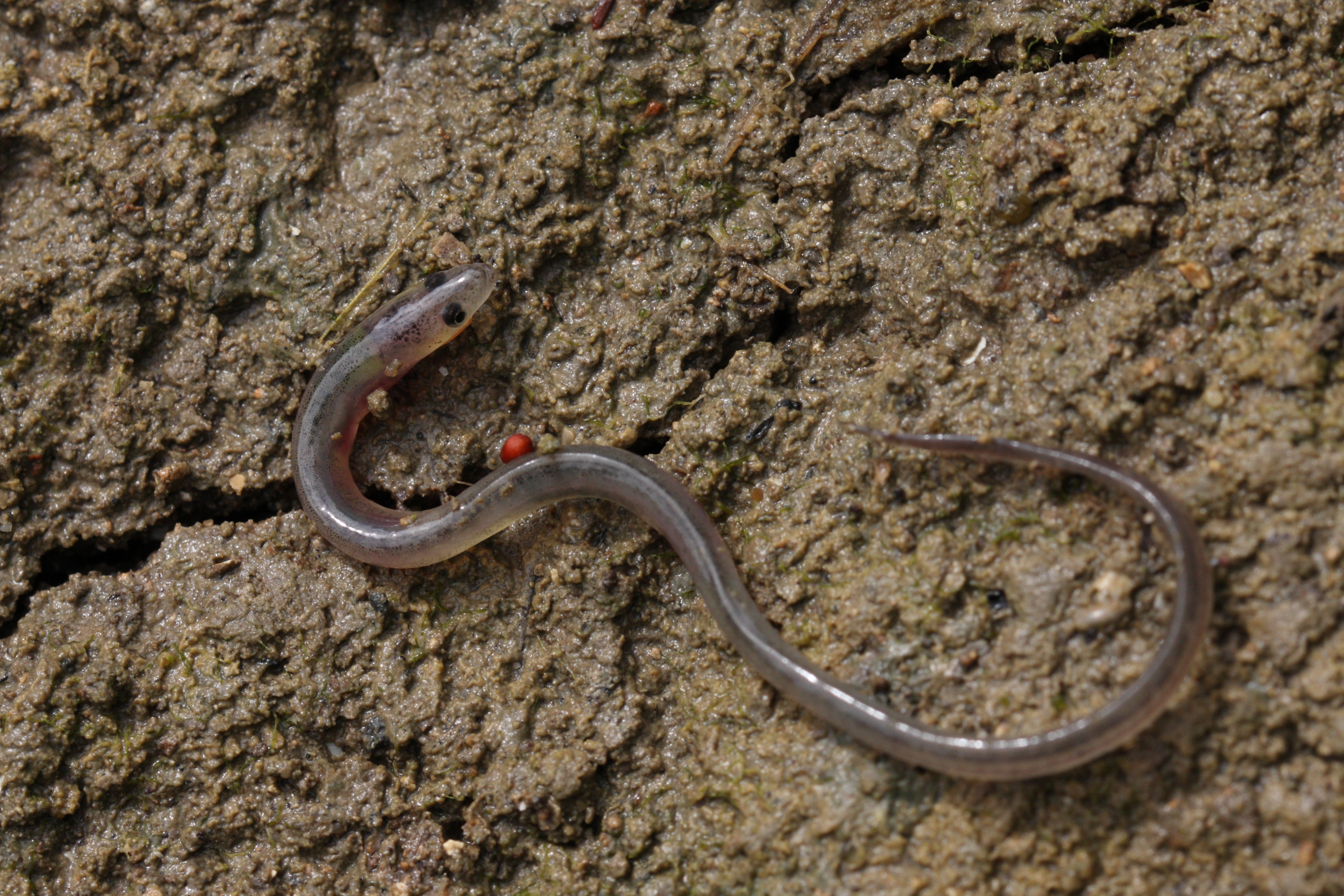
Gloucestershire Wildlife Trust, in partnership with the Environment Agency and the Wildfowl & Wetlands Trust, is delivering a freshwater eel conservation project. European eels arrive in the UK as small, transparent 'glass eels' or elvers, before eventually returning to the Sargasso Sea to spawn later in life - a remarkable global journey. Somerset Wildlife Trust is improving the habitat for European eels on nature reserves as part of the Somerset Eel Project to increase hydrological connectivity, adding fish passes including eel tiles and brush passes.
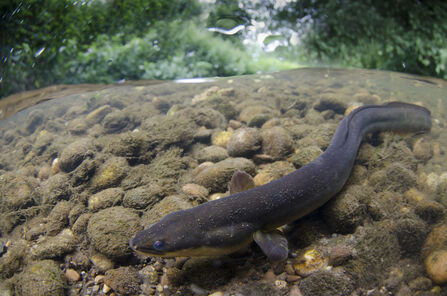
European eel © Jack Perks
Migratory bats and birds
Lincolnshire Wildlife Trust established a MOTUS tracking station in 2023 to monitor tagged migratory birds and bats passing within range of its receiver. The Trust is now actively tagging Nathusius’ pipistrelle bats, helping to build vital knowledge of this migratory species.
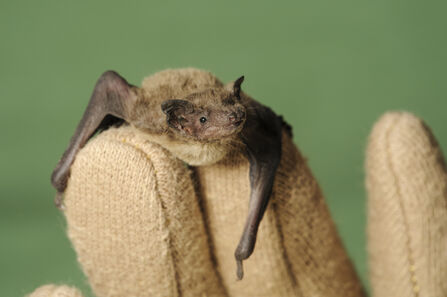
Terry Whittaker/2020VISION
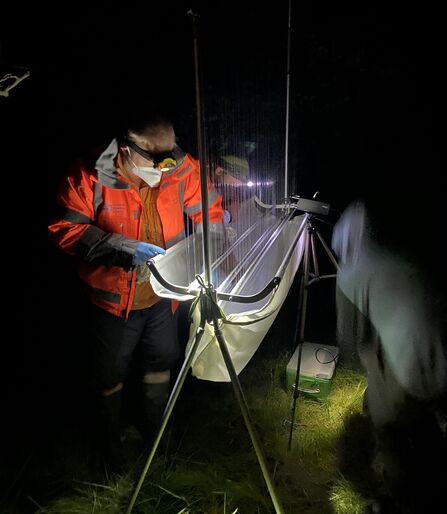
Setting up a harp trap at Gibraltar Point © Lincolnshire Wildlife Trust
Migratory wildlife cannot be conserved effectively if protected in only one place for part of the year. We must continue to care for these species while they are with us, and encourage and support international partners to do the same across their migratory routes.
Migratory animals provide a powerful example of how The Wildlife Trusts’ work extends beyond our borders and contributes to global biodiversity conservation.
As a federation, we are now considering how we can further strengthen this contribution and do even more to support these species in the future.
