Let caterpillars feast this spring say RHS and The Wildlife Trusts as they launch gardens campaign in support of moths

Let caterpillars feast this spring say RHS and The Wildlife Trusts as they launch gardens campaign in support of moths

The Royal Horticultural Society (RHS) and The Wildlife Trusts are urging people to support moths this year as they celebrate the 2,500 species found in the UK.

Moths are vital pollinators and an important indicator of environmental health, yet their numbers are declining – moth numbers have fallen by a third since the 1960s (33%) owing to urbanisation, climate change and pollution*. The two charities’ annual Wild About Gardens campaign sets out today to equip gardeners with the information they need to better understand moths and create spaces that will help them to thrive - including their very hungry caterpillars.  

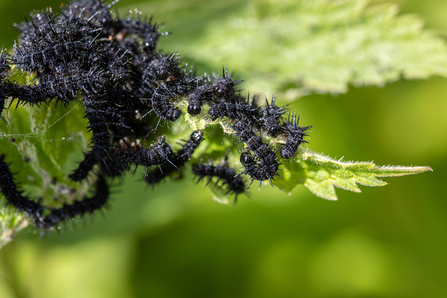
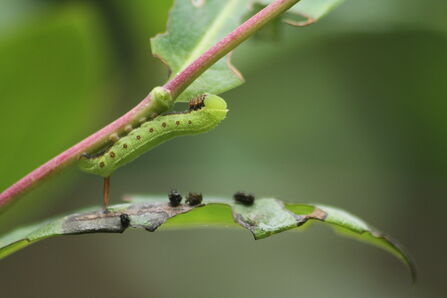
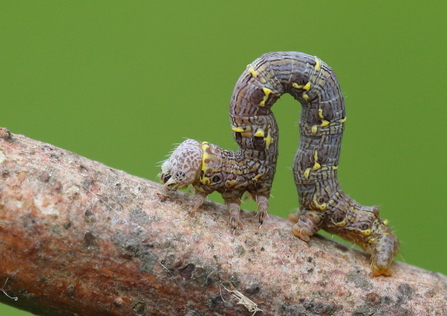
While some caterpillars feast on a smorgasbord of plants, some are picky eaters, feeding on just one or a handful of species of plant. Some are so small they live within plant leaves and are known as leaf miners while others are brilliantly camouflaged resembling twigs, bark or even bird droppings. Caterpillars are high on the menu of other garden animals, especially birds, mammals and larger insects. 
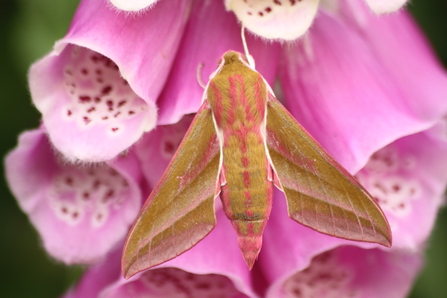
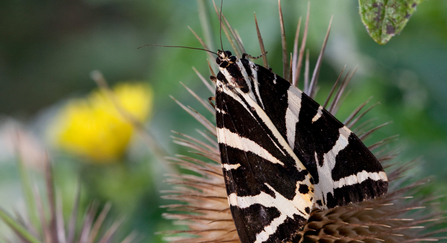
Adult moths also display striking colours and markings to rival their close relative the butterfly. Ones to spot include the pink and olive-green elephant hawk moth whose caterpillar puffs up to resemble a snake when threatened, lunar hornet moth disguised as a wasp, and contrasting Jersey tiger moth in red, cream and black. 

Moths are largely nocturnal but 150 species are active during the day – more than double the number of UK species of butterfly. To support moths and their caterpillars in your garden the Wild About Gardens Magical Moths guide suggests:  

  • Let caterpillars feast: Caterpillars have one job – to get plump ready for transformation into a moth - so allow for nibbling on ornamentals and vegetable crops. They need enough energy to complete transformation. Amazingly, some species of adult moths don’t eat at all and rely on what they consume as caterpillars to see them through.
  • Plant caterpillar food plants: Plant native trees and shrubs that host a broad range of caterpillar species such as willow, honeysuckle, foxgloves, verbascum, comfrey, marjoram, bedstraw and sweet William.
  • Make a night-time nectar bar: To provide for the hundreds of species of nocturnal moths consider plants that come alive at dusk such as sweet rocket, tobacco plant, jasmine and white campion.  

Helen Bostock, RHS Senior Wildlife Expert, said: “Moths have long played second fiddle to butterflies in the garden but understanding their value and needs, and that of their very hungry caterpillars, can support their recovery and help in creating a garden rich in biodiversity.” 

Vicki Hird, insect expert at The Wildlife Trusts, says: “Moths are stunning in name and beautiful by nature. The green, black and white Merveille du Jour looks as if it’s been exquisitely painted by an artist, and the White Ermine appears to be causally draped in a black-spotted cloak with a warm fur ruff. It’s no wonder the French call moths ‘butterflies of the night’. Even little brown moths can have wonderful, intricate markings. Making a simple moth trap is a wonderful way of enjoying these incredible creatures up close - before releasing it back into the wild. Let's all help them in our gardens and enjoy the benefits they bring!” 

Wild About Gardens is a joint initiative by the RHS and The Wildlife Trusts encouraging people to use their gardens and green spaces to take action in support of wildlife. The campaign is inspired by a different animal or habitat each year.   

To learn more about moths and caterpillars in gardens, identify some of the most prevalent and support them in your space visit our Wild About Gardens website.

Download your free booklet on moths


* The State of Britain’s Larger Moths 2021, Butterfly Conservation, Rothamsted 
Research and UKCEH 
A male emperor moth resting on a branch. It's a large moth with bright orange hindwings. Each of its four wings has a large eyespot and it has feathery antennae

Male emperor moth © Matthew Hazleton

You can make a difference to moths

Get your free booklet and plan how you can help moths to thrive in your garden!

Download your free booklet