

Deadwood and moss in a UK rainforest © Ben Porter
The Wildlife Trusts
We are a grassroots movement that believes we need nature and it needs us. More than 900,000 members and 39,000 volunteers work together with their Wildlife Trust to make their local area wilder and make nature part of life, for everyone.
Every Wildlife Trust is an independent charity.
We’d love you to join us.

Luke Massey/2020VISION

(c) Jon Hawkins
Wild About Gardens
Pledge to take a slug and snail safari
Jon Hawkins - Surrey Hills Photography
Green Match Fund
For one week only, the Green Match Fund will be doubling donations to The Wildlife Trusts below.
Help us to restore 30% of land and sea for nature by 2030
If you have any problem completing your donation then please either call us on 01636 677711 or email finance@wildlifetrusts.org.


A 'just transition' in farming and food is possible and essential.
A ‘Just Transition’ means shaping a low-carbon and high nature future, whilst ensuring no people, workers, places, sectors, countries,…
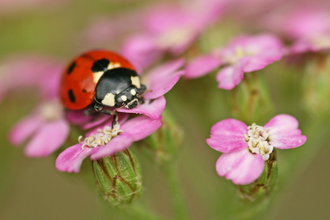
Lovely ladybirds
A closer look at one of the UK’s most popular beetles.
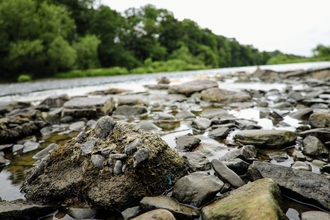
Building from the UK Government’s ‘Plan’ for the Wye - it’s time to build a true Catchment Plan
Last week, UK Government published a Plan for the River Wye, setting out actions to improve manure management in the catchment that will…


Making nature part of life
We need to restore nature at a global scale, on land and at sea. And it needs to happen now.


