

The Wildlife Trusts
We are a grassroots movement that believes we need nature and it needs us. More than 900,000 members and 39,000 volunteers work together with their Wildlife Trust to make their local area wilder and make nature part of life, for everyone.
Every Wildlife Trust is an independent charity.
We’d love you to join us.

Luke Massey/2020VISION

(c) Jon Hawkins
Wild About Gardens
Pledge to take a slug and snail safari
Dunnock singing from a hedge ©Mark Hamblin/2020VISION
International Dawn Chorus Day
International Dawn Chorus Day is the worldwide celebration of nature's greatest symphony; birdsong.
Help us to restore 30% of land and sea for nature by 2030
If you have any problem completing your donation then please either call us on 01636 677711 or email finance@wildlifetrusts.org.



Wild Child – a toddler’s-eye-view of the urban jungle
Hear from author Florence Wilkinson as she explores our wild world with a toddler in tow. Her book “Wild City” is out now and takes us…
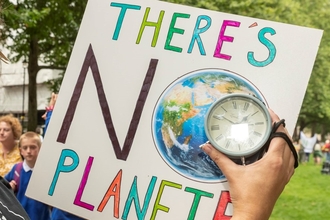
Wildlife and climate campaigners unite in what could be the biggest ever march for nature
• Members of the public are being encouraged to ‘unite for nature’ by joining a legal and family-friendly demonstration on the streets…
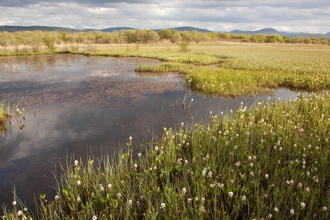
Horticultural Peat Bill – what’s next?
A ban on the sale of horticultural peat, from its use in bagged compost to the production of plants, was first mooted by the UK…


Making nature part of life
We need to restore nature at a global scale, on land and at sea. And it needs to happen now.


