

The Wildlife Trusts
We are a grassroots movement that believes we need nature and it needs us. More than 900,000 members and 39,000 volunteers work together with their Wildlife Trust to make their local area wilder and make nature part of life, for everyone.
Every Wildlife Trust is an independent charity.
We’d love you to join us.

Luke Massey/2020VISION

(c) Jon Hawkins
Wild About Gardens
Pledge to take a slug and snail safari
Peter Cairns/2020VISION
Precious peatlands
Peat belongs in bogs, not bags. It's time to end peat use in horticulture.
Help us to restore 30% of land and sea for nature by 2030
Together we can save wildlife
If you have any problem completing your donation then please either call us on 01636 677711 or email finance@wildlifetrusts.org.


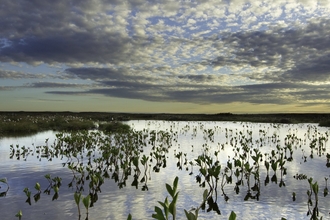
Celebrities back last chance for UK Government to fulfil promise to ban sale of peat
· Today’s bill is UK Government’s last chance to ban sale of peat before election as promised
· Alison Steadman, Iolo Williams…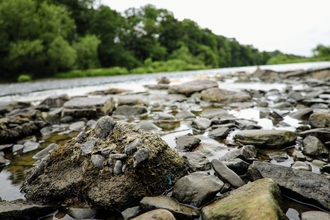
The Wildlife Trusts say River Wye Action Plan is welcome but must go further to “restore the river to full health”
Today, the UK Government has announced a long-awaited action plan for the River Wye.
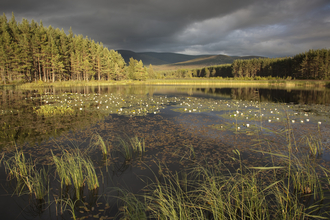
Fragile Earth
Throughout history, humanity has found solace, inspiration, and connection in the sounds of the natural world.


Making nature part of life
We need to restore nature at a global scale, on land and at sea. And it needs to happen now.


